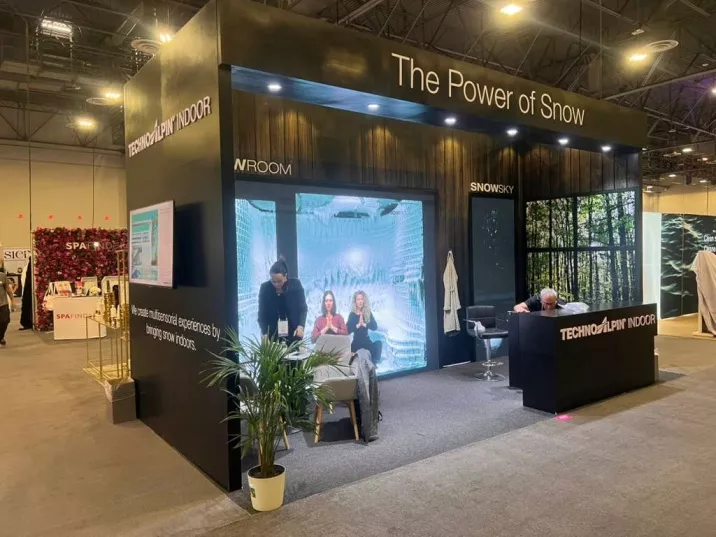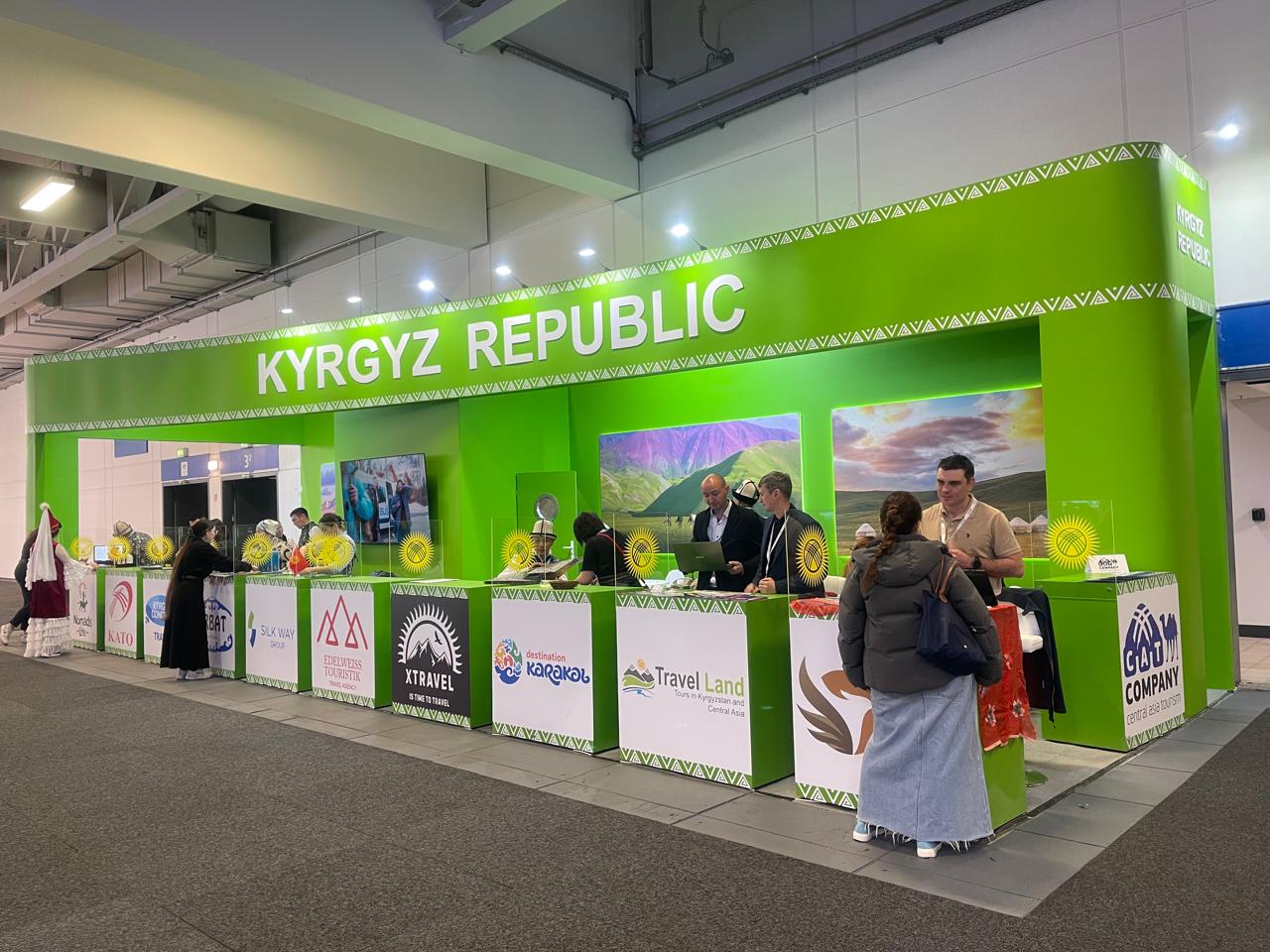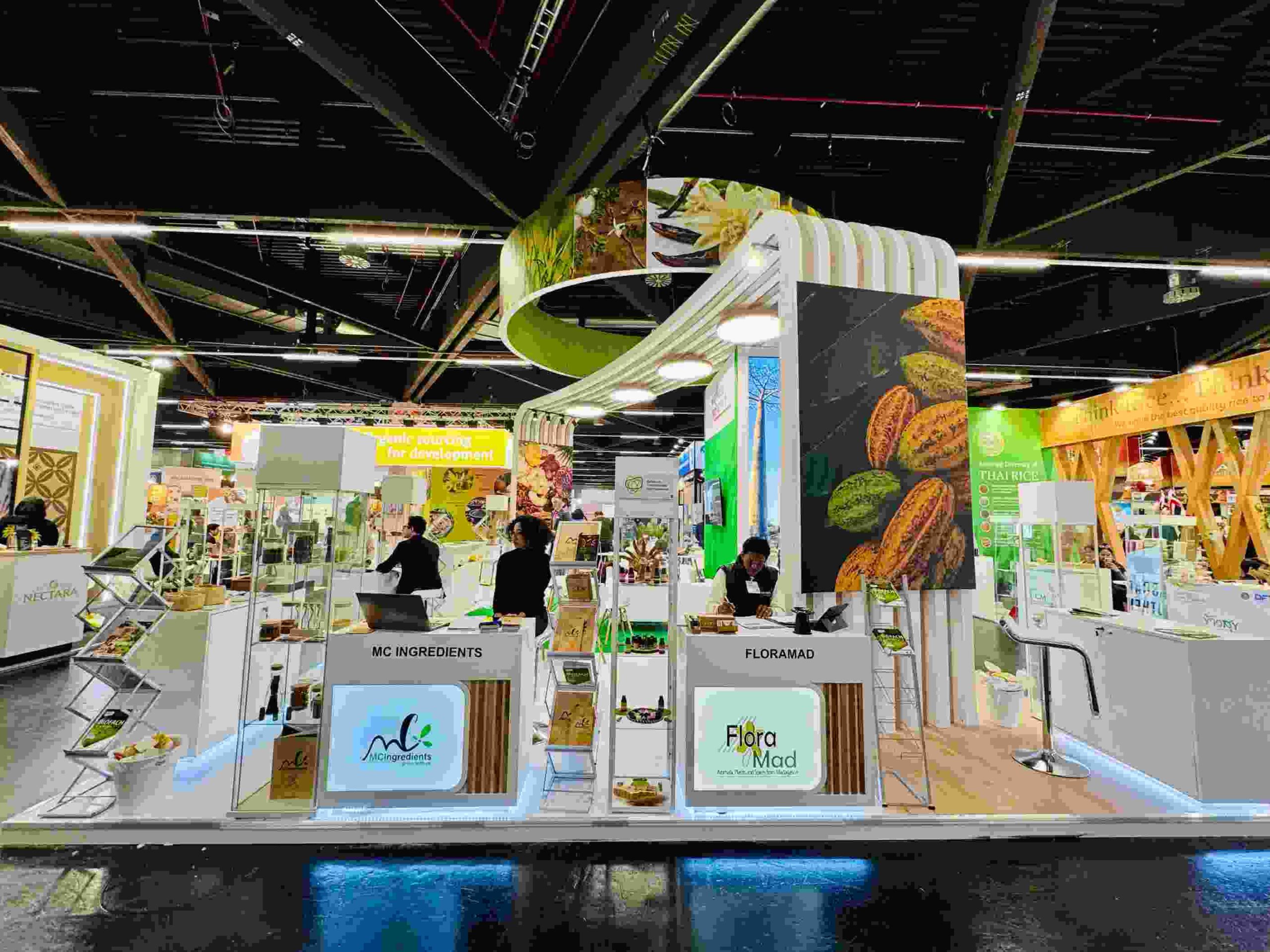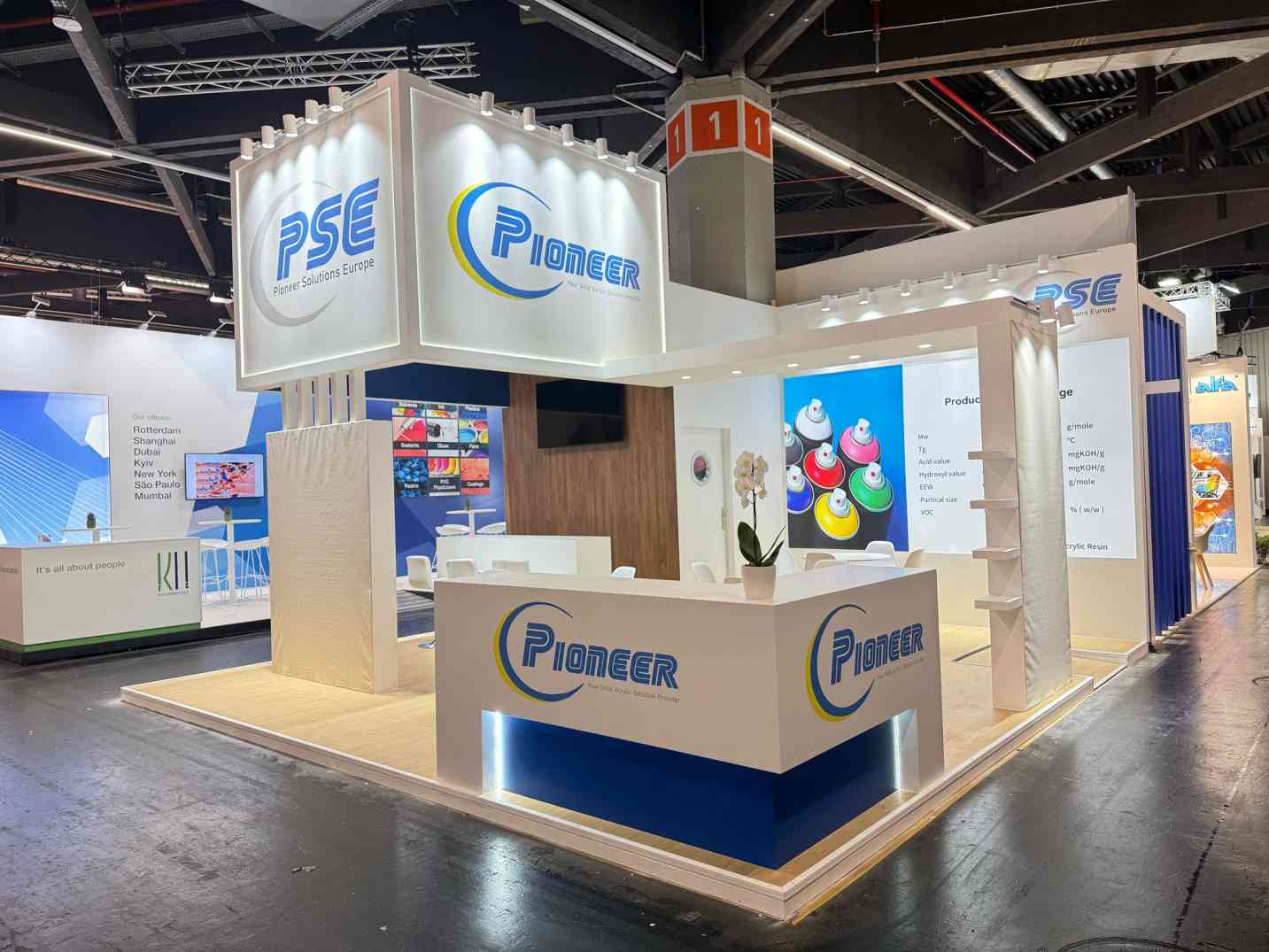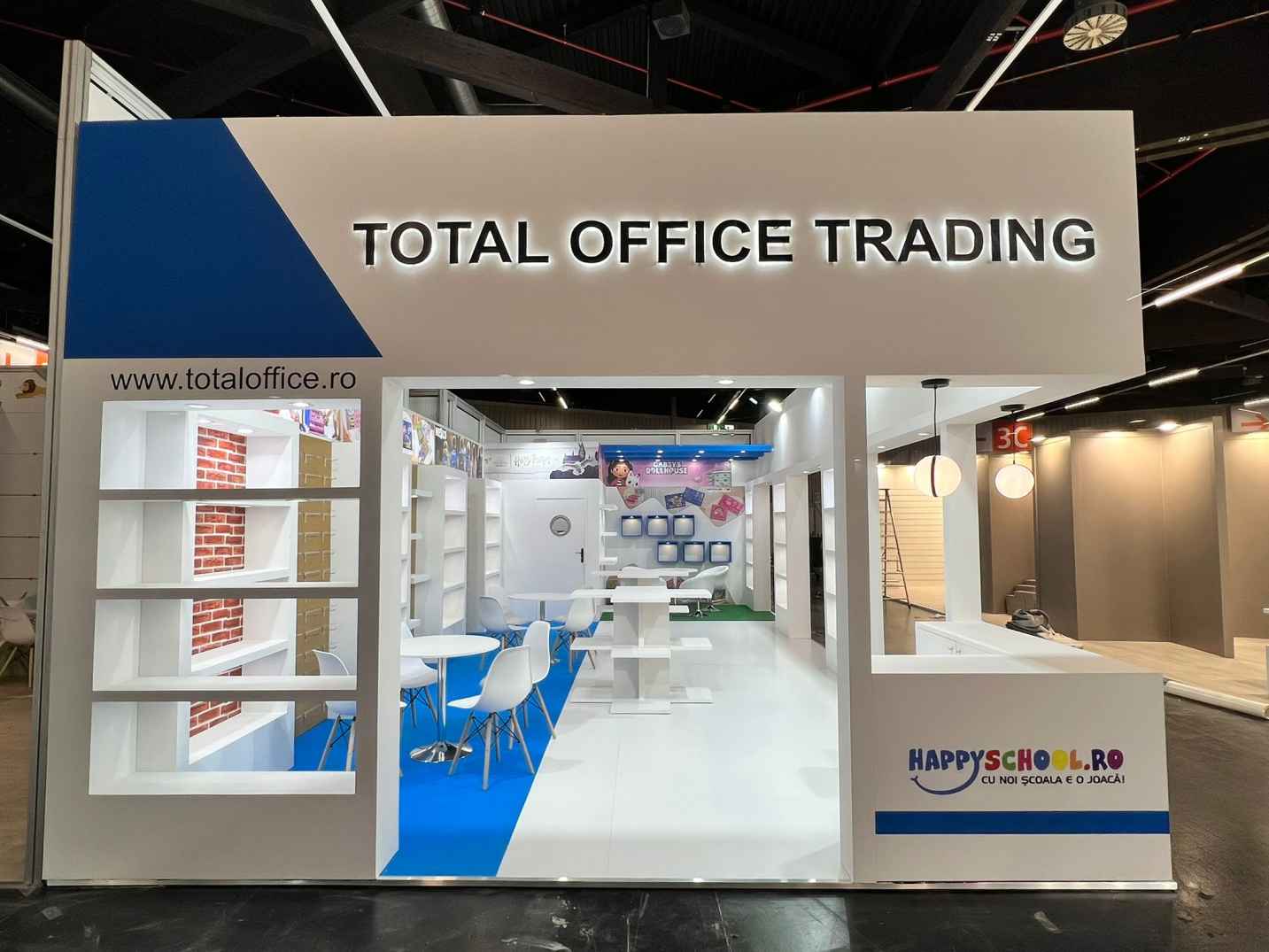

First impressions are more important than ever in the competitive world of exhibitions. Exhibitors are not only trying to get people’s attention, but also to get them to interact and remember them. This is where 3D visualization has changed how brands think about, develop, and build their display stands. Exhibitors no longer have to rely only on flat sketches or imprecise designs. Now, before construction even starts, they can see their booths in a fully immersive, lifelike 3D world.
3D exhibition stand design makes creative ideas come to life by letting brands visualize their stand layout, lighting, graphics, and flow in great detail. It lets companies fine-tune their concept, make changes to the design, and make sure that the finished product fits with their brand image and marketing goals. Whether it’s a custom modular display stand or a totally tailored trade show booth, 3D visualization bridges the gap between idea and reality – ensuring every piece is flawlessly accomplished.
The Evolution of Exhibition Stand Design
Exhibition stand design has developed tremendously throughout the years. From basic wooden constructions to imaginative exhibition stand concepts integrating digital displays and immersive experiences, the focus has shifted toward establishing significant brand encounters. The arrival of 3D visualization technologies has changed this progression in a big way.
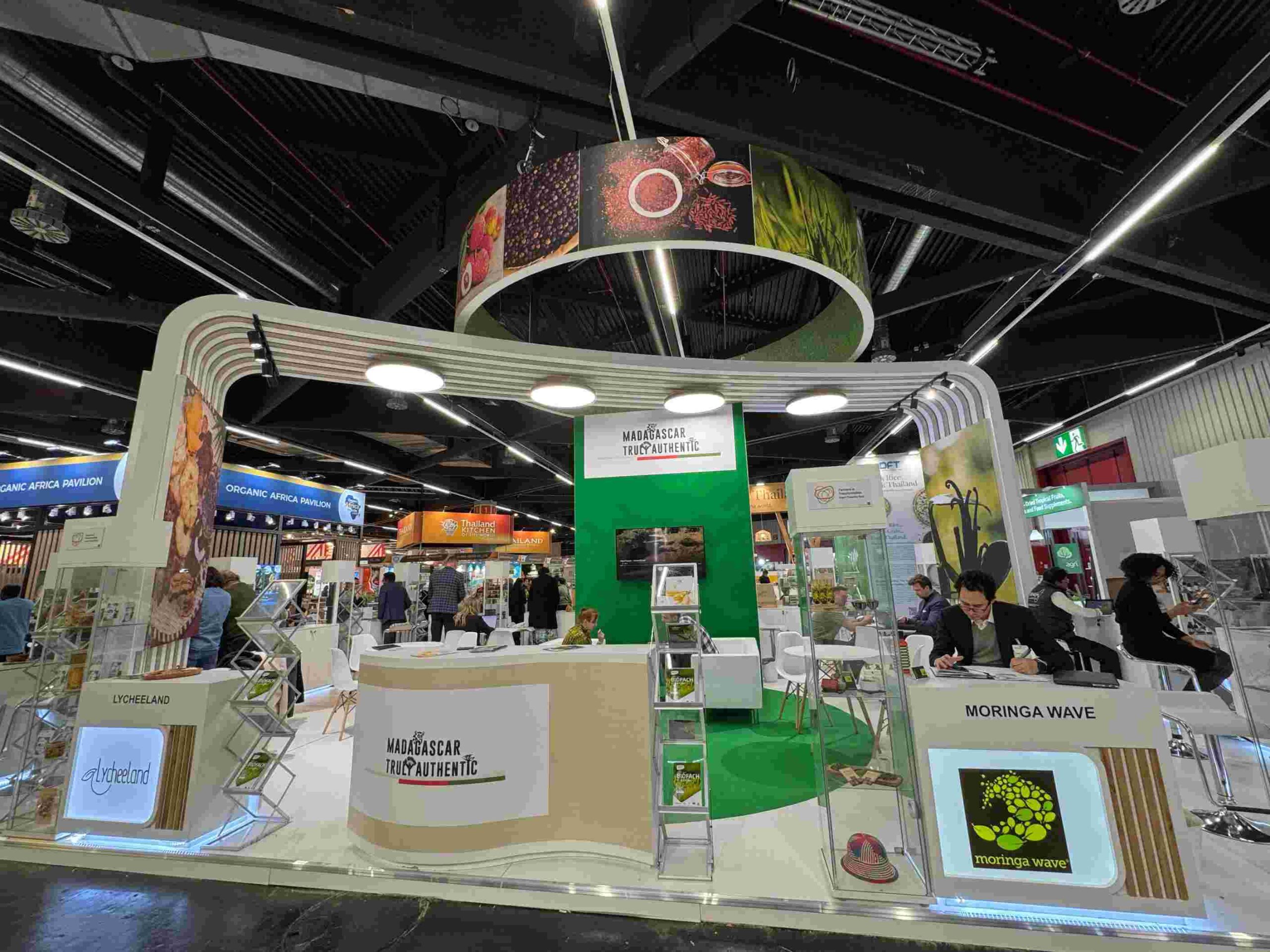
Traditional design methodologies often allowed room for uncertainty — exhibitors couldn’t always picture how their ideas would translate into an actual location. However, with 3D display design, designers can now generate detailed virtual mockups of a complete booth. These models demonstrate how lighting, color schemes, furniture arrangement, and product displays will look on the exhibition floor, minimizing costly surprises during installation.
This progress has made it easier for marketers to plan stands that are not only beautiful to look at, but also useful and well-thought-out for their target demographic. 3D visualization also helps you explore creative exhibition stand ideas before finalizing the design.
Understanding 3D Visualization in Exhibition Design
The main idea behind 3D visualization is to make realistic computer-generated images of a design before it is built. In the context of exhibition stand design, it helps designers and clients to see how their stands would appear from every angle – even allowing virtual walkthroughs to assess visitor flow and spatial arrangement.
This technology is often utilized in virtual exhibition stand design, enabling corporations sample their stands virtually before committing to production. Designers employ modern 3D software to copy the lighting, texturing, and images of the real thing, making a model that is very close to what people will see at the show.
3D visualization isn’t only about how things look; it’s also a very important tool for making decisions. It helps companies find possible design problems, test materials, and make layouts better for engagement and functionality.
Benefits of 3D Visualization in Exhibition Stand Design
1. Accurate Representation and Realistic Previews
Exhibitors may see every feature of their booth before it is built with 3D exhibition stand design. From lighting intensity to color accuracy and signage placement, everything may be previewed and modified. This removes guesswork and ensures the end stand fulfils expectations.
2. Better communication between clients and designers
Clients used to have a hard time understanding 2D drawings in the old way of designing. 3D show design fills this gap in communication. Customers can now see their designs in realistic renderings or even as virtual tours, which makes feedback more accurate and useful.
3. Lower costs and fewer design mistakes
Businesses can avoid expensive changes during the construction phase by finding problems early with 3D visualization. These changes are much easier (and cheaper) to make in a digital environment than in person, whether it’s changing the size of a display or changing the lighting in a booth.
4. Enhanced Creativity and Flexibility
You can try out different creative ideas for exhibition stands with 3D design tools. Before settling on a final version, designers can try out different colour schemes, materials, or layouts. This promotes new ideas and creativity while making sure they are useful.
5. Time-Saving in Production and Setup
Having a clear visual reference helps contractors build and assemble stands faster and more correctly. For enterprises using custom modular display stands, 3D visualization ensures that all components fit precisely and can be adjusted with simplicity for future events.
6. Supports Sustainable Design
By cutting down on waste, 3D visualization helps make exhibition design more sustainable. Because designs can be improved digitally, there is less need for physical prototypes, and materials can be used more efficiently. Components that are modular and may be used again can be made to last a long time and have little effect on the environment.
Combining 3D Visualization with Stands that are Modular and Portable
One of the best uses for 3D visualization is to make modular and portable display booths. These stands are supposed to be reused and altered for different occasions, which makes visual planning vital.
Designers can utilize 3D tools to simulate alternative layout options for modular systems. For instance, a stand that fits a 3×3 booth space at one show might be electronically stretched to 6×3 for another – all within the same digital model. This versatility allows exhibitors to arrange different configurations, ensuring optimum utility from a single investment.
At Exhibit Elevate, 3D visualization plays a crucial part in building high-impact, unique modular exhibition stands that represent a brand’s personality while preserving versatility. The team uses modern rendering techniques to provide clients a detailed picture of their stand long before it is built. This makes sure that the final product matches their expectations exactly.

3D Visualization for Hybrid and Virtual Events
3D visualization is even more useful now that hybrid and virtual events are becoming more common. Virtual exhibition stand design allows organizations to participate in digital trade exhibitions without physically establishing a booth. These virtual stands can be fully interactive – visitors can click through product displays, examine information points, or even engage with real representatives online.
The same 3D models used for physical stands design may be translated for digital platforms, ensuring a consistent brand experience across both virtual and in-person events. This method also lets businesses try out and improve design concepts for future shows.
Using 3D Visualization for Marketing and Presentations
In addition to planning and designing, 3D visualization is also a great way to promote. Exhibitors can utilize 3D renderings or animations to promote their booth before a trade show on websites, social media, and email campaigns. It provides people a taste of what to expect, which gets them excited and makes more people come to the booth.
Sales teams can also utilize 3D images to show investors or other important people what their booth ideas are. Instead than only using words or drawings, they can exhibit a realistic virtual version of the design that makes it come to life. This makes it simpler to get approvals or sponsorships.
3D visualization: The Future of Exhibition Stand Design
There is little doubt that the future of exhibition stand design is digital. As technology becomes better, 3D visualization will become even more immersive, adding experiences in augmented reality (AR) and virtual reality (VR). Soon, exhibitors will be able to “walk through” their exhibits with VR headsets to see how visitors will interact and engage with them before the event starts.
AI-powered 3D design tools will also let exhibitors make adjustments to their designs in real time, so they can see how changes in lighting, materials, or layout will effect the final product right away.
Exhibit Elevate keeps employing these new ideas and cutting-edge technology to make stand designs that are both beautiful and useful, which makes brand experiences better.
In conclusion
In the fast-paced world of trade exhibitions, 3D visualization is more than just a design tool; it’s a way to connect creativity, pragmatism, and performance. It lets businesses see how their 3D exhibition stand design will look before the first panel is ever produced, making sure that every element fits with their brand and marketing goals.
Exhibitors may save time, money, and get great results that really stand out on the show floor by using 3D visualization. It also helps with sustainability and long-term ROI when used with modular and recyclable stand designs.
Investing in visualization technology makes sure that your stand not only exists, but also impresses, whether you’re planning a virtual exhibition stand design or a big 3D exhibit design.
Exhibit Elevate can help you turn your exhibition presence around with amazing, cutting-edge 3D stand designs that are made just for your brand and audience.