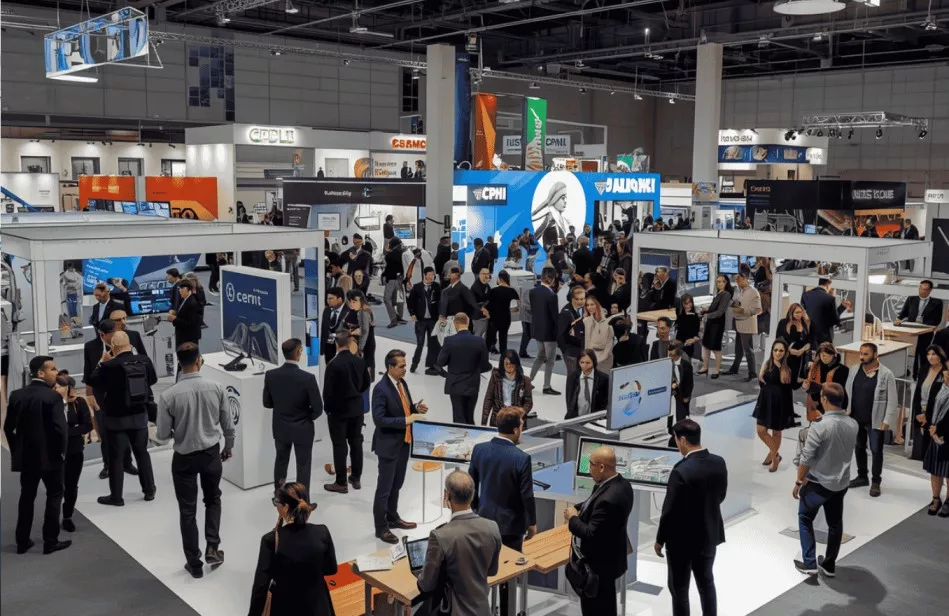
Let’s be honest. Walking into a major pharma trade show for the first time — or even the tenth — can feel overwhelming. Thousands of booths, hundreds of competitors, and a floor full of buyers who have seen every generic stand concept imaginable. The companies that consistently walk away with the best leads are not the ones with the biggest budgets. They are the ones who planned properly.
This guide walks you through exactly how to plan a pharma exhibition booth that works — from the moment you confirm your stand space to the moment the show closes. Whether you are preparing for a pharmaceutical event like CPHI Worldwide, Arab Health, or BioEurope, the principles are the same.
Before You Begin: Make Sure You Know What You’re Planning
Most exhibitors make the mistake of starting to design their booth before they know what they want it to do.
A trade show for consumers is not the same as a pharma exhibition. People who come to your site are not impulse buyers. They are C-suite executives, procurement managers, R&D directors, and regulatory specialists who come with a list of suppliers they want to meet that they have already researched. Your booth needs to talk to that person in the first three seconds they see it from the aisle.
So, before you talk to a stand designer, you should answer these four questions:
1. What is the one thing that is most important for people to do at your stand?
- Want to sign up for a demo?
- Make an appointment?
- Take a sample?
That one action should be the basis for the whole layout of your booth.
2. Who exactly are you trying to get in touch with?
At the same pharma trade show, API makers, CDMOs, biotech companies, distributors, and hospital purchasing teams all walk the same floor. However, they all respond to different messages. Before you start designing anything, you need to know who will see it.
3. What is your stand saying that your competitors aren’t saying?
When it comes to trade shows, pharmaceutical branding strategies that work are not general; they are specific. “Quality you can trust” is not a message.”First-to-market API synthesis with ISO 15378 certification and 72-hour delivery to European distributors” is a message. Be clear.
4. What will success look like when the show is over?
How many qualified leads there are. Number of scheduled meetings. Number of conversations that led to partnerships. Set a number before the show, not after.
You can start planning once you can answer all four questions.
Step 1: Make sure you have enough space and talk to your stand designer early.
The first thing you need to do is check with the show organizer to make sure you have a booth and then send that information to a stand designer as soon as you can.
This is why timing is so important in the pharmaceutical industry. There are specific technical requirements for medical exhibition stands at big pharmaceutical events like CPHI Worldwide, Medlab Middle East, and BioEurope that take time to figure out. Before you can build at Fiera Milano, Dubai World Trade Centre, or other world-class venues, you need to send in structural engineering documents, fire safety certificates, and electrical compliance submissions.
You have time to design something really good, make changes to it, build it right, and send in all the paperwork if you brief a stand designer eight weeks before the show. If you brief them three weeks before the show, you are paying a premium for a rushed result.
What to include in your brief for your stand designer:
- The size and number of your booth that you have confirmed
- Your brand rules, like logo files, colors, and fonts
- Your main message and the one thing you want visitors to do
- Three to five reference stands that you think look great and why
- Your budget range—honest budgets lead to better designs
Within 48 hours, a good designer for a pharmaceutical exhibition stand will send you a 3D rendering of your stand that looks like a real photo. Before any parts are made, you should be able to see exactly how it will look on the show floor.
Step 2: Plan your stand around the journey of your visitors, not your list of products.
The most common mistake when setting up an exhibition booth is to design it around the company instead of the visitor.
Your visitor has already been to six other booths that morning before coming to your pharmaceutical event. They are a little too much. Their feet hurt. They have 15 minutes before their next meeting. In that case, here’s what your stand needs to do:
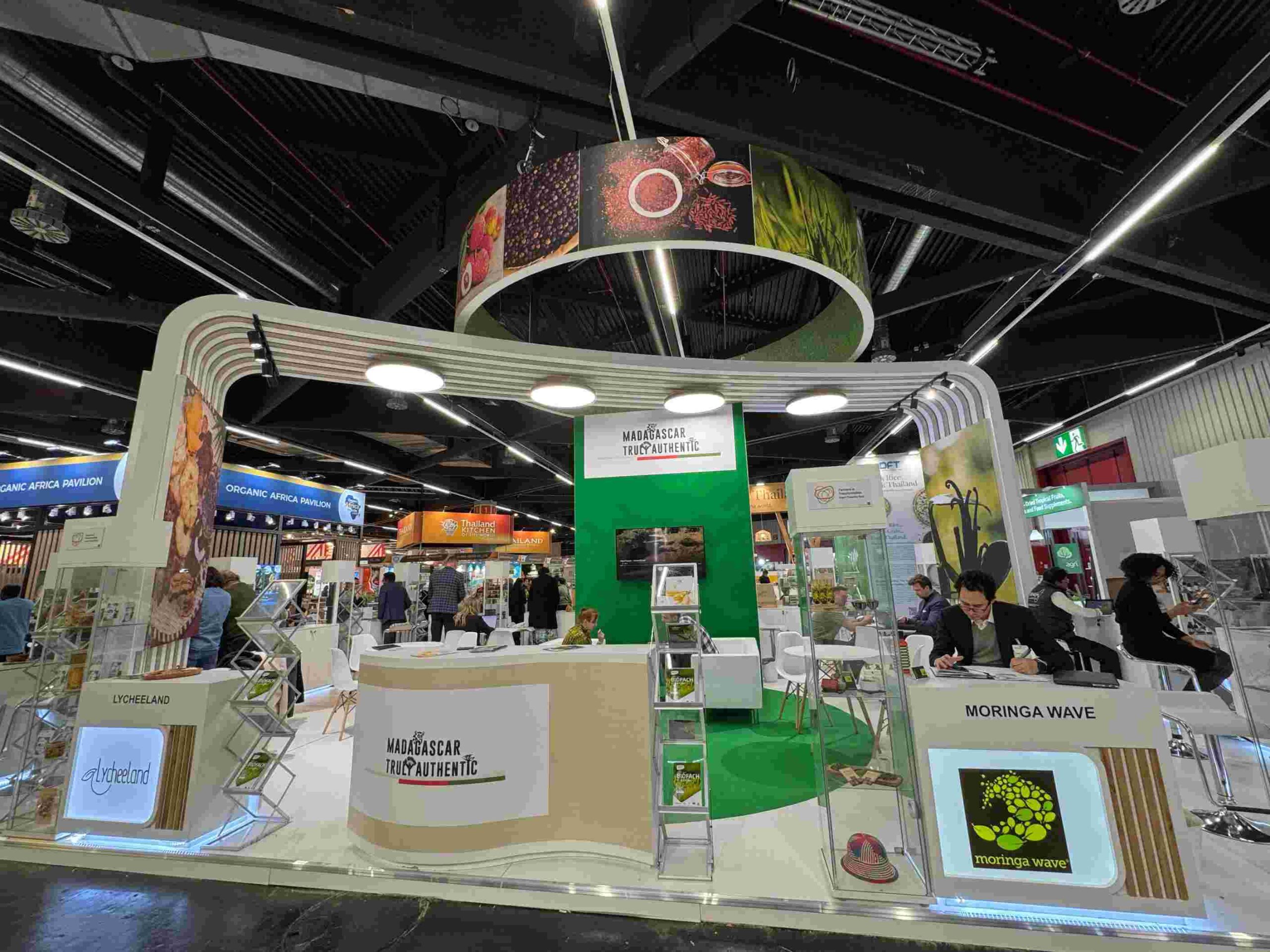
Stop them from getting to the aisle. There should be one main visual element on your stand that can be seen from at least ten meters away. At a pharmaceutical trade show, this is usually a big graphic with a short, clear message that isn’t your company logo but your value proposition. Your logo is not the most important thing. Your message is the most important thing.
Make them interested by being relevant. As soon as they get closer, they need to see something that makes them think, “This is for me.” This job can be done with product category indicators, therapy area callouts, or technology-specific messages that are at eye level.
Give them a clear next step. Once they get to your booth, it should be clear what to do: talk to a team member at a demo station, sit down in a meeting area, or pick up a specific piece of collateral. Visitors walk through booths that try to show everything at once without stopping.
Give them something to hold on to. Live product demos, data visualizations, interactive screens, and samples that people can touch all make people stay longer. The more time a visitor spends at your pharmaceutical exhibition stand, the more likely they are to become a qualified lead.
Step 3: Pick the Right Type of Stand for Your Needs
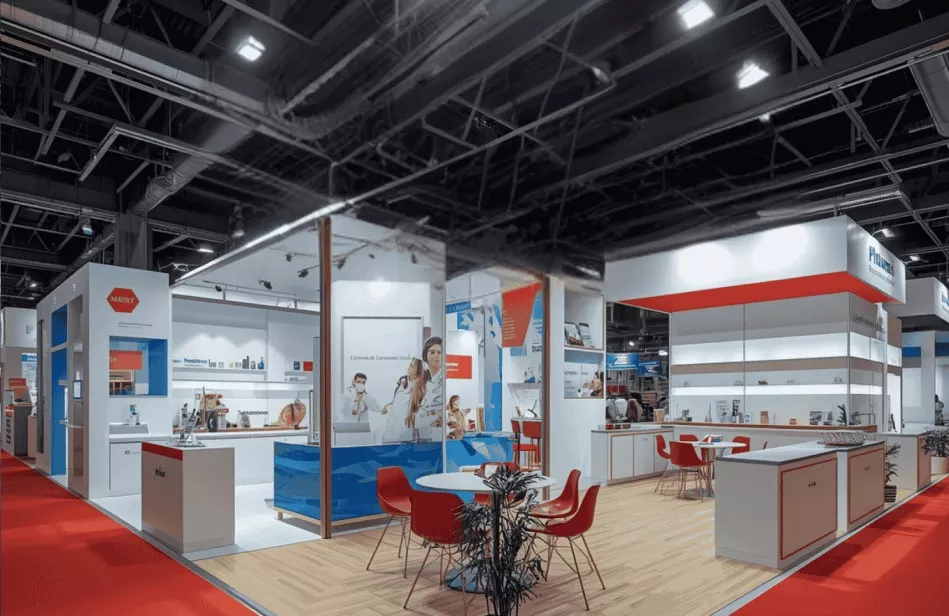
Not all pharmaceutical trade shows need the same kind of stand. One of the most important things to think about when planning a pharma exhibition is what kind of stand you want and how much money you have.
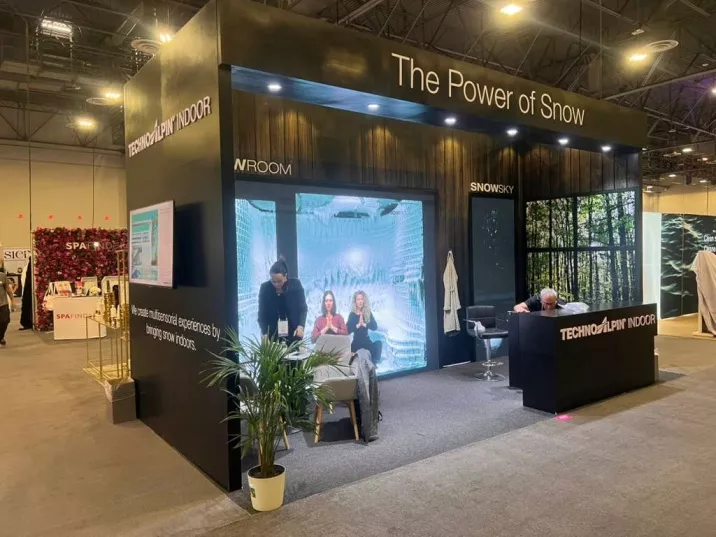
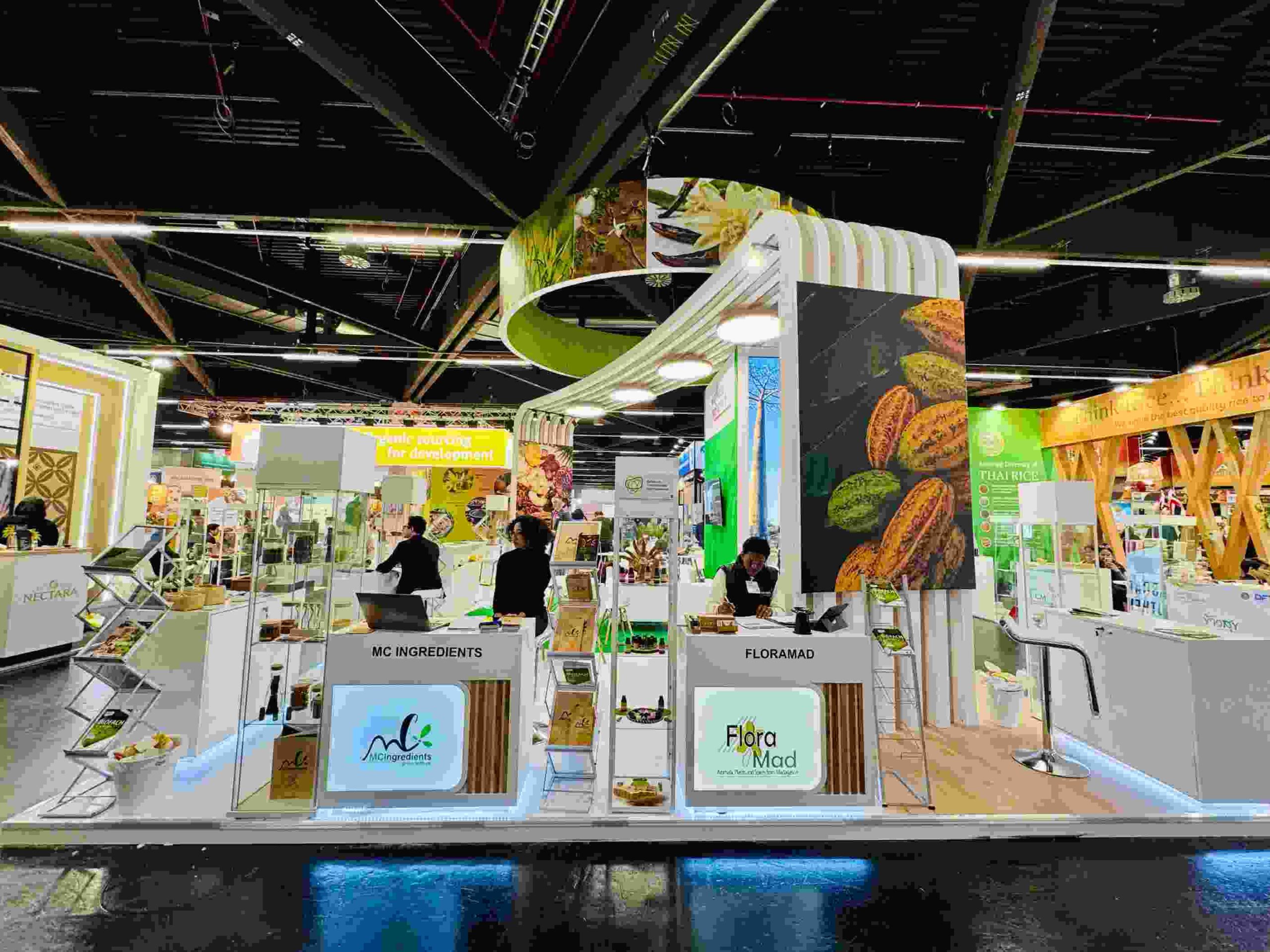
When you are launching a big product, entering a new market, or making a big splash at a flagship show like CPHI or Arab Health, custom exhibition stands are the way to go. With a custom stand, you can control everything about the architecture, lighting, meeting rooms, product display, and flow of visitors. The investment is more, but the business return at the right show makes it worth it.
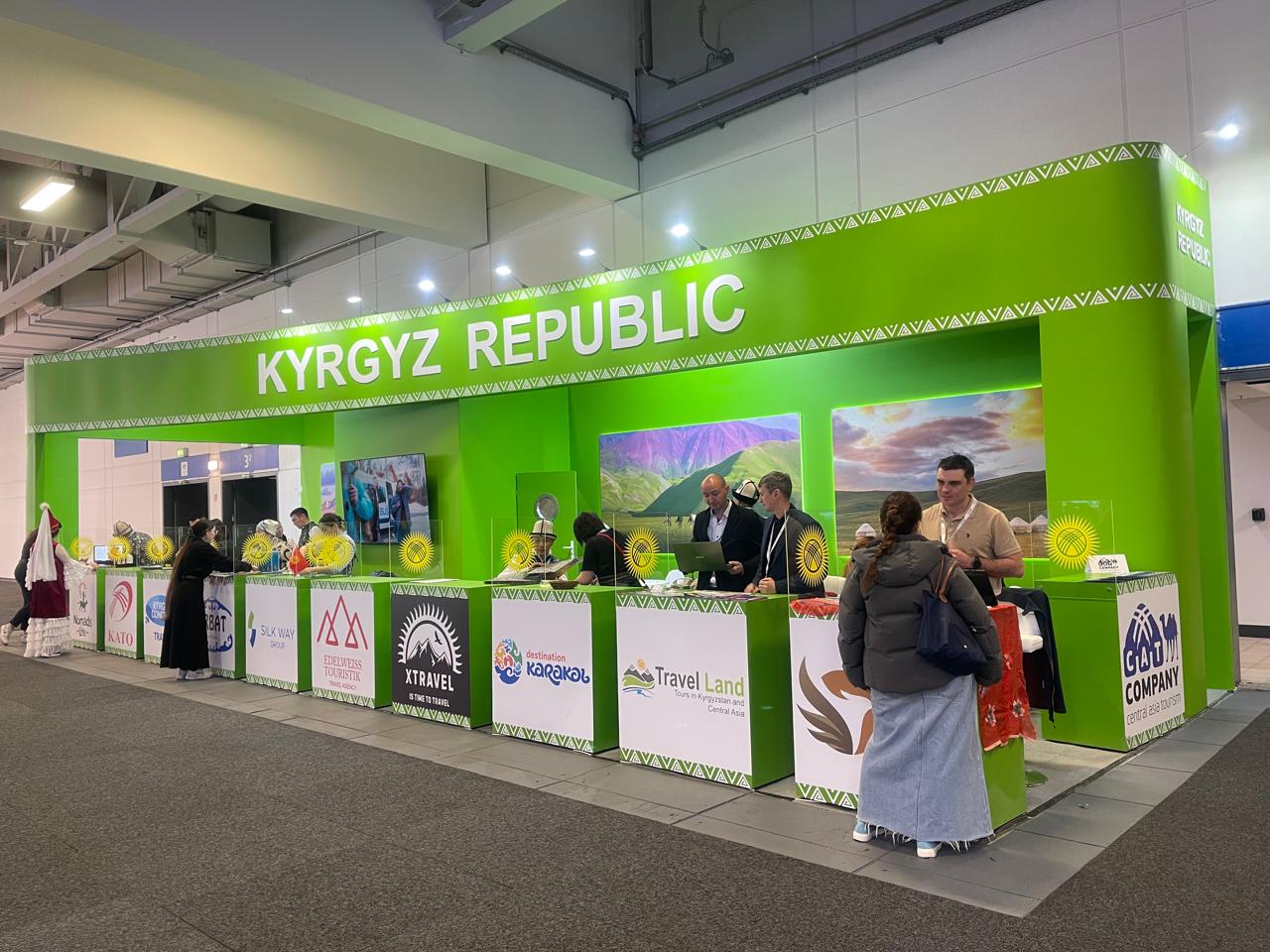
For pharmaceutical companies that go to a lot of trade shows each year, modular exhibition stands are a smart long-term investment. The same structural system can be changed to fit different booth sizes. For example, a 20m² layout at BioEurope becomes a 36m² layout at CPHI. The graphics change between shows, the structure is reused, and the cost per show goes down a lot each time.
Portable Display Stands are the best way to get into smaller pharmaceutical events, regional conferences, and medical symposia where a small but professional branded presence is needed without having to spend a lot of money on a custom build. These are also great for pharmaceutical meeting planners who need a branded backdrop for side events, satellite symposia, or hosted dinners that happen at the same time as a big trade show.
Step 4: Teach your team how to do their jobs like you do when you launch a new product.
People stop when they see your stand design. Your team turns them into leads. These are two very different skills. Most drug companies spend a lot of money on the first one but don’t do anything with the second one.
People don’t talk about this openly, but the truth about planning pharma events is that the most expensive and beautiful stand at the show will not do well if the team standing in it doesn’t know how to qualify a visitor in the first sixty seconds of conversation.
Everyone on your pharma exhibition stand needs to know:
- The one question that starts a qualifying conversation. Not “Can I help you?” because that makes people say “No, just looking.” “Which part of the pipeline brought you to the show this year?” or “Are you looking for APIs or partnerships for formulation?”
- The two-minute version of your company’s main value proposition should be clear, confident, and specific to the visitor’s role once you have set it up.
- The steps from the first conversation to getting a lead. Before they leave your stand, what do you want every qualified visitor to agree to do next? A follow-up call, a technical data pack, a request for a sample, or a meeting?
Have a team meeting the day before the build-up. Give each team member a one-page printed brief that includes the show’s goals, the questions that must be answered to qualify, the main points, and the process for capturing leads. It only takes thirty minutes and can double the number of sales your exhibition makes.
Step 5: Make your pre-show outreach part of the stand budget.
The biggest mistake that exhibitors at pharmaceutical trade shows make is thinking of the show as a separate event. The best exhibitors see the show as the main event in a campaign that starts six weeks before the doors open.
Six weeks before the event:
Let your current clients, LinkedIn connections, and email newsletter subscribers know that you will be taking part. Let them know your booth number and what they can find there.
Four weeks before:
Begin making plans for meetings. If the show has an official matchmaking platform, like CPHI’s great hosted buyer program, use it. Contact your target accounts directly and offer them specific thirty-minute meeting times at your stand.
Two weeks before:
Send a personalized email preview to the most important accounts you want to reach. Be clear about what you will be showing or launching. Before they even get to the event, give them a reason to write down your booth number in their show plan.
The day before the show:
Make sure all of your scheduled meetings are still on. Give each confirmed meeting to a specific team member. Give the whole team a quick update.
If you go to a pharmaceutical event with fifteen meetings already scheduled in your calendar, it’s a very different business experience than if you just rely on people walking by.
Step 6: Get every lead at the show, not just the ones that are easy to see.
Every conversation you have at your pharma exhibition booth could lead to a sale, even the five-minute ones that seem too casual to write down.
Use a digital lead capture system, not a business card pile. Most major pharmaceutical events now offer badge scanning apps. Your team scans every visitor badge and adds a one-line note while the conversation is still fresh — “interested in API supply, budget Q3, follow up with technical data pack.” That note is worth more than the business card.
Categorise leads in real time:
- Hot — expressed immediate need and ready to proceed to a commercial conversation
- Warm — qualified interest, needs more information, follow up within 48 hours
- Cold — general interest, nurture over the next quarter
Do not wait until after the show to categorise. By day three of a five-day show, day one conversations are already fading.
Step 7 — Follow Up Before Your Competitors Do
There is a lot of evidence that the pharmaceutical industry has a follow-up problem. Studies show that most leads collected at trade shows never get a personalized follow-up within the first week.
The easiest way to get ahead of the competition at any pharma trade show is to follow up faster than everyone else.
Send personalized emails to each hot lead within 24 hours of the show ending. In the email, mention the specific conversation you had at the booth. Not a generic “nice to meet you at the show,” but a specific answer to what they said they needed.
Within 72 hours, get back to warm leads with the exact technical information or data packs they asked for.
Send a wider nurture email to cold leads with useful content, like a white paper, a case study, or an invitation to a webinar, within a week.
The companies that get the most business from a pharmaceutical exhibition don’t always have the biggest booths. They are the ones who send the right message at the right time.
Choosing Your Pharma Exhibition Stand Partner
Everything in this guide depends on one foundational decision — who builds your stand.
A stand builder for a pharmaceutical event is not just a construction contractor. They need to understand pharmaceutical branding strategies, venue-specific technical compliance for the major pharma trade show venues globally, and the commercial logic of how the stand generates leads rather than just looks good.
The right stand partner will ask you what you want visitors to do at your booth before they ask you what colour you want it painted. They will challenge generic briefs, push back on designs that look impressive but do not function commercially, and deliver a finished stand that your team walks onto with confidence.
For pharma trade shows specifically, look for a stand builder who has experience at the venues you are exhibiting at. Fiera Milano (CPHI), Dubai World Trade Centre (Arab Health, Medlab), Messe Frankfurt (Interpack), and similar world-class venues all have specific contractor registration requirements that an experienced stand builder handles automatically — saving you significant time and stress in the planning process.
Ready to Plan Your Pharma Exhibition Stand?
Every successful pharma exhibition comes down to the same fundamentals — a specific goal, a stand designed around the visitor’s journey, a prepared team, and a follow-up process that does not let qualified conversations go cold.
The planning starts earlier than most people think and pays off more than most people expect.
If you are preparing for an upcoming pharmaceutical event — CPHI Worldwide, Arab Health, Medlab Middle East, BioEurope, or any of the major pharma trade shows across Europe, the Middle East, or the USA — and you want a stand that generates real commercial results, get your brief in early.