
Trade show

trade show checklist
Trade show

8 Essential Trade Show Checklist for Effortless Success

One of the best ways for businesses to meet new customers, show off their products, and make their brands more visible is at trade shows. Reports from the business say that there are more than 13,000 trade fairs throughout the world every year, and they draw millions of attendees and decision-makers. Studies suggest that 81% of people who go to trade shows have the power to buy, which means that being at the correct event could lead to important business chances right away. But you can’t just show up to a trade fair and hope for the best; you have to plan ahead. Exhibitors who don’t have a good plan could miss out on up to 40% of prospective leads, spend too much on logistics, or miss important networking chances. That’s why it’s important to have a trade show checklist that is well-organized. Every little thing is important, from the design of the booth to the training of the workers to the marketing plan and the logistics. A comprehensive step-by-step guide will help you keep organized, prevent costly mistakes, and get the most out of your investment (ROI), whether you’re exhibiting for the first time or have done it many times before. At Exhibit Elevate, we’ve worked with brands from many different fields and seen how careful planning can turn exhibitions into chances for growth. This post will give you a complete trade show checklist that includes everything you need to do before, during, and after the event to be successful. Why a Trade Show Checklist Matters Every little thing matters during trade exhibitions, which are high-stakes events. It can be hard to keep track of everything that has to be done, such as getting your booth space, making displays that capture people’s attention, coordinating your personnel, and talking to possible consumers. If you forget about any one part, like marketing, logistics, or getting the team ready, the whole thing could go apart. A pre-trade show checklist is more than simply a useful tool; it’s a guide to success. A well-thought-out checklist makes sure that everything you need to do is covered, so there is no room for last-minute confusion. It lets you: Avoid making expensive blunders that cost you time and money. Structured preparation will help you avoid tension at the last minute. Show off a professional booth that gets people’s attention. Give your employees the tools they need to do their jobs well and with confidence. Aligning your efforts with your business goals can help you get the most out of your investment. Think of it as a survival kit for trade shows that will help you stay organized, focused, and in charge from the time you start organizing until the last day of the event. Step 1: Define Your Goals and Objectives Clarity is the first step in any successful trade show journey. If you don’t have a clear goal, your work can become disorganized, and you’ll end up with poor outcomes. First, ask yourself this one simple yet powerful question: What is the purpose of this trade show? Your answer could change based on what you want to achieve in your business: Starting a new product or service and getting people excited about it. Getting qualified leads that could become clients in the future. Making the brand more visible in a crowded market. Taking care of ties with current customers and partners. If your main goal is to get 200 qualified leads, for instance, your trade show strategy guide should be based on that. You will organise activities to lure people to your booth, create the layout of your display, and educate your personnel. If, on the other hand, your main goal is branding, you might want to spend more on booth design and advertising efforts that make a difference. Step 2: Making a budget and a plan A good budget is the most important part of getting ready for a trade show. fees can quickly get out of hand without a well-thought-out budget, especially when unexpected fees come up. Your checklist for getting ready for a trade exhibition should contain costs in distinct groups, such as: Designing and building a booth: You can choose between a custom or modular stand. Travel and lodging: Your team’s flights, motels, and food. Marketing and promotion: Print materials, web commercials, and campaigns before the show are all ways to market and promote. Product rental: Rent technology and equipment like screens, projectors, tablets, or demo tools. Provide gifts: Hospitality and gifts include drinks, branded items, or contests to win prizes. Having a defined plan not only helps you keep track of your money, but it also helps you use your resources wisely. If your main goal is to get leads, for example, you can spend more on interactive displays and lead collection equipment instead of expensive freebies. Step 3: Design and make the booth Your booth isn’t just a display; it’s how people see your business during the event. A booth that sticks out can get twice or even three times as many people to come, whereas a poorly constructed one can make your brand go unnoticed. Every exhibitor should think about these Trade Show Booth Essentials: Bold signs and branding: Signs and images that are easy to see and clearly show who you are and what you stand for. Strategic lighting: the right amount of light to show off products and make the space feel warm and inviting. Interactive displays include screens, demos, VR/AR setups, or touch kiosks that get people involved. Comfortable seats or demo areas: places that make people want to talk for extended periods of time. Hidden storage is important for keeping personal items, marketing materials, and giveaways organized. A complete trade show booth checklist should go beyond design and aesthetics—it must also account for safety regulations, accessibility, and ease of setup. Partnering with experienced professionals like Exhibit Elevate ensures that your booth not only captures attention but also functions seamlessly, complies with industry standards, and remains practical for

trade show
Trade show

How to Pick the Right Trade Show for Your Brand

For a long time, trade exhibitions have been one of the best ways for businesses to show off their goods, meet new consumers, and make valuable connections in their field. But not every trade event is the same. If you choose the wrong event, you could squander time, money, and effort. But if you choose the perfect one, your brand could get fresh chances. With trade show booth trends changing all the time and audience needs changing all the time, it’s important to do your homework and plan ahead when choosing the proper trade show. The event you choose will have a direct impact on your ROI and overall success, whether you are a new business looking into the benefits of attending trade shows for the first time or an experienced business fine-tuning its trade show marketing techniques. This guide will help you choose the best trade show for your brand. It includes expert recommendations, proven techniques, and advice from professionals like Exhibit Elevate, who help brands get the most out of their exhibition presence. Why it’s important to choose the right trade show Trade exhibitions are more than just places where businesses and customers meet these days. They are strong business investments that can change the course of your brand’s future. Every choice, from how to design the booth and travel to how to staff it, sell it, and handle logistics, needs careful planning of time and money. Going to the right trade show can really help your business get results that matter. But going to the wrong one? That can cost you a lot of money and not give you much back. The appropriate trade show can help you: Get in touch with the people you want to reach. Make your brand more visible and stronger. Keep up with the latest trends in your field. Trade exhibitions are great places to meet new people and make connections. Get measurable results from your trade show, including getting more leads, keeping clients, or making new sales. Businesses risk missing out on good chances and getting a bad return on investment if they don’t have a clear plan or choose carefully. That’s why picking the correct trade show is the most important thing you can do to make sure your trade show is a success in the long run. Step 1: Set your goals for the trade show Setting clear and doable goals is the most important part of any successful trade show plan. Before you even think about going to any forthcoming events, ask yourself what you want to get out of going to this show. Here are some of the most typical goals for trade shows: Getting good leads and closing new business. Making relationships with current clients stronger. Launching a new product or service that has the most effect. Increasing brand awareness in the sector as a whole. Looking for ways to grow into new or international markets. Having clear goals will help you make decisions. If your main goal is to launch a product, you should focus on events that get a lot of media attention and are known for being creative. If you want to get leads, pick a show where a lot of your target customers will be. When you have clear goals, it’s easier to see if you’re making progress and make sure your work fits in with the bigger picture of your firm. Step 2: Research the Industry-Relevant Trade Shows Not every event will be a good fit for your business. One error that a lot of exhibitors make is going to exhibitions just because they are popular, without thinking about how useful they really are. Instead, do a lot of research first. Make a list of possible concerts in your expertise, both in your area and throughout the world. You may identify the most relevant events by using trade show directories, industry associations, competitor analysis, and even internet forums. When deciding which shows to go to, think about these things: Audience profile: Do the people who are there look like your ideal customers, distributors, or partners? List of exhibitors: Will your competitors be there, and how can your brand stand out? Location: Is the show being held in an area that is easy for your target market to travel to and will benefit them? Reputation and history: Have your industry peers continually praised and liked the show? By carefully looking at these things, you’ll be able to pick out the trade exhibitions that are most important to your business, making sure that your investment pays off. Step 3: Evaluate Trade Show Booth Trends and Opportunities Your booth isn’t simply a place; it’s the first thing people see about your brand. In a lot of occasions, the style of your booth will decide if people stop by or walk by. That’s why it’s important to know what’s going on with trade show booths right now when you choose which ones to go to. Some trade exhibitions have booths that are high-tech and cutting-edge, including digital displays, virtual reality, and interactive features. Some people might prefer more traditional layouts that focus on product samples and face-to-face engagement. When you work with professionals like Exhibit Elevate, you can be confident that your booth will fit in perfectly with the trade show environment and stand out. You may greatly improve your chances of success by making sure your booth fits in with the people who will be at the event, whether it’s a modular arrangement, a custom-built booth, or a portable design. By picking a trade show that fits with how well you can promote your brand, you set yourself up for better interaction and a bigger impact. Step 4: Consider the Broader Benefits of Attending Trade Shows The main goals of going to trade exhibitions are usually to make sales and get leads, but the benefits go far beyond just those things. The perfect event might give you long-term strategic benefits, like: Getting a better idea of how competitors are doing

trade show mistakes
Trade show

Top 10 trade show mistakes to Avoid at International Trades

Trade exhibitions have long been great means for businesses to show off their goods, meet potential customers, and get their name out there. But the stakes are significantly higher when it comes to showing off internationally. You have to deal with big investments of time, money, and resources while competing with global brands, varied audiences, and cultural differences. International trade exhibitions can help businesses get into new markets and build long-term partnerships, but many of them make big blunders that make it less likely that they will succeed. By avoiding these trade show mistakes and following trade show best practices, you can stand out from the crowd, get the most out of your investment, and make sure your brand makes a lasting impression. Exhibit Elevate and other companies like it assist businesses construct international exhibition stands that not only get people’s attention but also minimize problems that exhibitors often run into. We’ll talk about the most common mistakes exhibitors make at trade shows and provide you useful ideas for making sure you’re ready for your next large international event. Top 10 Trade Show Mistakes 1. Not having clear goals Attending a trade show without setting clear goals is one of the most common blunders exhibitors make. A lot of businesses set up trade show booths only to “show up,” but they don’t plan what success looks like. You can’t quantify ROI or justify the investment without goals. Do you want to get more leads, introduce a new product, get more distributors, or make your brand more well-known? Your goals will affect every choice you make, from how to design your international trade show stand to how to train your team and run marketing efforts. Before you sign up for a trade fair, make sure you know what your SMART goals are (Specific, Measurable, Achievable, Relevant, and Time-bound). 2. Bad Design of the Booth Your booth is the first thing people see about your company, and design blunders may be very costly. Some exhibitors make their displays too complicated or don’t spend enough money on them, which makes for boring presentations. When designing a booth for an international show, it needs to not only show off your business but also appeal to people from all over the world. Every little thing matters, from the arrangement to the lighting to the visuals. Trade show mistakes to avoid while designing your trade show booth: Displays that are too full and make visitors feel overwhelmed. Graphics that don’t make your value offer clear. Bad lighting that makes the booth look boring. Exhibitors should use professionals like Exhibit Elevate, who are experts in national trade show displays and international booth ideas. Their knowledge makes sure that your exhibit shows off your vision while also appealing to a wide range of markets. 3. Not paying attention to cultural differences Cultural understanding can make or break your success when you demonstrate at an international event. Different areas have different colors, symbols, languages, and even ways of talking to each other. Things that operate at the National Exhibition Centre in the UK could not work at the Pacific National Exhibition in Canada or a trade shows in Dubai in 2026. If you don’t change your message or booth design to fit other cultures, you could lose potential customers. For instance, presenting images that aren’t culturally suitable or just providing promotional materials in one language can make people less interested. Tip for trade shows: Do a lot of research on the area you’re targeting and, if you can, make your booth messages and advertising materials more relevant to that area. 4. Not doing enough marketing before the show A lot of exhibitors think that people would just organically find their stand. The truth is that there can be hundreds or even thousands of exhibitors at international trade exhibitions. If you don’t have a good trade show marketing plan, you can be missed. Some good ways to market before an event are: Email campaigns to current and potential customers. Using event hashtags to promote on social media. Invitations to VIP clients that are unique to them. Press releases or working with trade magazines. Tip for exhibitors at trade shows: Start telling people about your presence at least 60 to 90 days before the exhibition. Make teasers, talk about what you’ll be doing at your booth, and give people reasons to come see you that are based on value. 5. Staff not being trained Even the best design for an international exhibition stand won’t make up for workers who aren’t well-trained. One of the worst things you can do at a trade show is send a team that doesn’t know anything about the product or doesn’t know how to talk to people. Staff who aren’t ready often: Instead of starting discussions, just stand there. Send out brand messaging that don’t match up. Don’t get qualified leads. Tip for trade shows: Train the workers at your trade show booth on product expertise, how to qualify leads, how to engage customers, and how to be sensitive to other cultures. Your employees are the face of your brand, so make sure they are ready. 6. Not paying attention to logistics There are a lot of moving parts in international shows. Delays in shipping, problems with customs, and late booth setups can wreck months of planning. One of the worst trade show mistakes you can make while exhibiting at a trade show is not managing your logistics strategy well. A logistics checklist for trade shows should have: Shipping times and tracking. Following customs rules. Plans for backup technology or booth items. Schedules for putting things together and taking them apart on site. To lower risks at trade exhibitions, work with logistics professionals who have worked at international trade events before. 7. Not following up with leads Getting leads is just the first step. Not following up quickly after a trade show is one of the most common and expensive blunders. If you wait weeks to contact them,

successful trade show booth
Trade show

How to Plan a Successful Trade Show Booth in 90 Days

One of the best ways for businesses to meet new customers, show off their products, and get their name out there is at trade exhibitions. But you can’t just show up at a trade show and expect to do well. You have to prepare ahead, be creative, and carry out your plans strategically. You need a proper plan to get the most out of your investment and stand out in a crowded hall. This guide will show you how to plan a successful trade show booth in 90 days with real-world procedures, professional advice, and plans that you can use right away. This plan will help you get ready quickly and have great results, whether you’re working on ideas for your trade show booth, finishing your trade show checklist, or training your trade show booth personnel. Why a 90-Day Plan Is Important Trade exhibitions are big deals where brands fight for attention, make leads, and make important connections in their field. But if you don’t prepare ahead, the experience might quickly become too much, too expensive, and not as useful as you thought it would be. That’s when a 90-day strategy for getting ready for a trade exhibition comes in. A structured 90-day timeline helps you keep on track and organized by splitting things down into smaller parts. It makes sure that: Planning your trade show budget early and well helps you stay inside your budget. People come up with and improve creative concepts for exhibitions well before the event. You have enough time to move from idea to perfect implementation for your booth design and development. Your marketing plan has the time and reach to get people talking and bring in the proper people. Your booth personnel gets training so they can confidently represent your business and talk to visitors. The 90-day plan isn’t set in stone; it’s structured enough to keep you on track but flexible enough to change if something comes up that you didn’t expect. Think of it as your plan for a successful trade show exhibition that gets you the most money back. Step 1: Setting the Stage 90 Days Before The first 30 days of your trade show checklist are all about laying a solid base. At this point, the work you do now will affect how well the next steps go and how smoothly they go. 1. Set Goals and Objectives Before you start thinking about trade show booth ideas or exhibition stand ideas, you need to know why you’re going. Think about this: Do you want to get good leads? Are you trying to start a new business? Is making connections with people in your field your top priority? Do you want to make people more aware of your brand? Setting specific, quantifiable goals for your trade show booth preparation helps with everything from design to marketing strategy and makes it easier to see how well the trade show went later. 2. Planning Your Budget Budgeting is one of the most important yet often ignored parts of getting ready for a trade show. Costs might quickly get out of hand if you don’t carefully prepare your trade show budget. Begin by making a list of all possible costs, such as: Fees for renting booth space (usually the biggest cost). Designing, building, and setting up the booth. Staff’s travel, housing, and food. Promotional freebies and marketing campaigns. Training staff and giving them uniforms with the company’s logo on them. Technology, audio-visual gear, and interactive screens. Planning your budget early not only makes sure you’re ready for the costs, but it also gives you room to get creative with your exhibition ideas while staying within your constraints. 3. Ideas for Booth Design Now it’s time to get creative and create your booth. Careful planning can make sure your booth stands out, no matter how big or tiny it is. Start drawing ideas that show who you are as a brand and what you want to achieve. When planning a trade show booth, some things to think about are: Using lighting in a planned way to set the mood and draw attention to certain areas. Adding vivid visuals and branding so people can recognize it right away. Adding things that people can engage with, such touchscreens, product demos, or VR experiences. Making open layouts that are inviting, especially in small areas. Exhibit Elevate and other companies are great at making booth designs that are both beautiful and cost-effective, making sure you leave a lasting impact on attendees. 4. Start Your Marketing Plan No matter how innovative your booth is, it won’t work if people don’t know you’ll be there. Now is the best time to start your trade fair marketing plan to get people excited and bring in more customers. Some methods that have worked in the past are: Letting people know you’re going to the event on social media with event-specific hashtags. Making a separate landing page with information about the booth, the event dates, and a call to action. Sending personalized email invitations to potential customers and current clients. Looking into original ideas for exhibits, including teaser ads, sweepstakes, or freebies. Using technology-based experiences like AR and VR to make an impression on guests. Starting your marketing 90 days before the event provides your campaign time to gain traction, connect with your target demographic, and make your booth a “must-see” place to visit. Step 2: 60 Days Before the Event—Make the Plan Happen At the 60-day point, the planning for the trade show turns into the actual work. This part is all about making ideas come true. Your trade show checklist should be detailed and ready to help you with booth design, ordering materials, training staff, and marketing before the show. Here’s how to get the most out of this important time: 1. Finish the design of the booth Your booth is the most important part of your whole trade show marketing plan. At this point, check the layout of your booth and give the final visuals your

Trade show

Augmented Reality at Trade Shows | Innovative AR Solutions

Trade exhibitions and expos have long been the best places for businesses to meet new people, show off their products, and get new leads. But in today’s fast-paced digital world, it’s harder than ever to stand out from the crowd. Augmented Reality (AR) is one technology that is becoming very popular for brands who want to draw in and keep visitors. Augmented Reality at trade shows and expos is no longer a futuristic concept; it’s a powerful tool that is changing how businesses talk to their customers. AR is making trade shows more immersive, memorable, and focused on results, from consumer shows to high-level commercial events. In this article, we’ll talk about how augmented reality is changing on how people interact at trade shows, the different types of AR apps that are available, and how firms like Exhibit Elevate are utilizing AR to help brands have the biggest effect while remaining ahead of the curve. How Augmented Reality is Changing the World of Trade Shows Consumer displays are meant to show off products to a lot of people, including buyers, fans, and regular people. Brands need to be inventive in how they stand out in places like these. AR in consumer shows lets exhibitors make interactive experiences that are more than just typical booth designs. Instead than just looking at things, visitors may interact with them online, learn about their characteristics, and see how they work in real life. For instance: People can scan a QR code to see a 3D model of a product floating above the display table. Interactive overlays let people look at the parts and characteristics of a product. Brands can show off big or complicated things digitally without having to move real things around. This kind of contact keeps customers at your booth longer and gets them more interested, which leads to more leads. Industry experts say that AR lets businesses show off their full product catalogs digitally, so people can see and customize things in real time without having to have physical inventory at the booth. Key Applications of Augmented Reality for Consumer Shows As technology changes the exhibition sector, augmented reality is becoming one of the best ways for marketers to get people to visit and interact with their booths. In busy show halls, traditional booths with static displays and printed pamphlets aren’t enough to get people’s attention anymore. People that go to events today want to do things that are fun, learn about brands, and explore products. This is where augmented reality (AR) comes in to help consumer shows when building exhibition stand. Augmented reality lets exhibitors make immersive experiences that get people to interact with their brand by mixing digital aspects with the real world. AR technology brings up new ways for people to be creative and interested on the exhibition floor, whether it’s via showing off complicated products, letting them try things out virtually, or making fun games. Here are some of the best ways that brands are using AR at consumer shows to change the way people experience their booths and make them stand out. Interactive Product Demonstrations Product visualization is one of the best ways to use augmented reality at consumer exhibitions. AR lets marketers show off their products in a way that is much more interactive and interesting than traditional displays. People who come can: Rotate and zoom in on 3D models of products Change the colors or the way things are set up Look at the parts and specifications of the product See goods in full size This method is quite helpful for businesses who want to show off big items like furniture, cars, or cutting-edge technology that could be hard or expensive to get to the exhibition site. Using AR, marketers can show off a lot of different versions of a product in a little booth space while also giving visitors a clear idea of how the product works. Interactive Brand Storytelling Augmented reality for consumer displays can be a great way to convey a story, not just show off products. AR lets brands show their journey, beliefs, and new ideas in a way that is both visually interesting and interactive. Visitors can experience the following by scanning a display or marker: Animated brand stories Timelines for developing products How things are made behind the scenes Sustainability efforts This interactive way of sharing stories lets visitors connect with the company on an emotional level instead of just learning about it through text or presentations. People are much more likely to remember an experience and have a stronger affinity with a business when they are involved in its story. Gamified Experiences to Get More People to Come Gamification is another good way to get more people to visit booths and participate in AR during consumer shows. Visitors don’t just look at displays; they also take part in entertaining and interesting activities. Brands can make games or challenges that use AR, like these: Digital treasure hunts during the event Puzzles or quizzes in AR Virtual items or rewards that you can accumulate These hands-on activities make people want to spend more time at the booth and explore the show floor. Gamified AR experiences can help firms get important information about visitors, encourage them to share on social media, and make people remember the company better after the event. Virtual Try-On Experiences Virtual try-on technology is another cool usage of AR for consumer displays. It’s especially popular in businesses that focus on consumers, like fashion, beauty, eyeglasses, and accessories. People who come can: Try on different types of clothes online Try out different colors of makeup and cosmetics Check out how they look in glasses or other accessories. Make products unique in real time These interactive displays make the exhibition stand more interesting and help clients picture how the products would fit into their lives. Virtual try-ons also make people less hesitant about buying because they can try on a lot of different selections right away without having to get physical samples.

Trade Show Booths
Trade show

Top Color Trends for Trade Show Booths in 2026
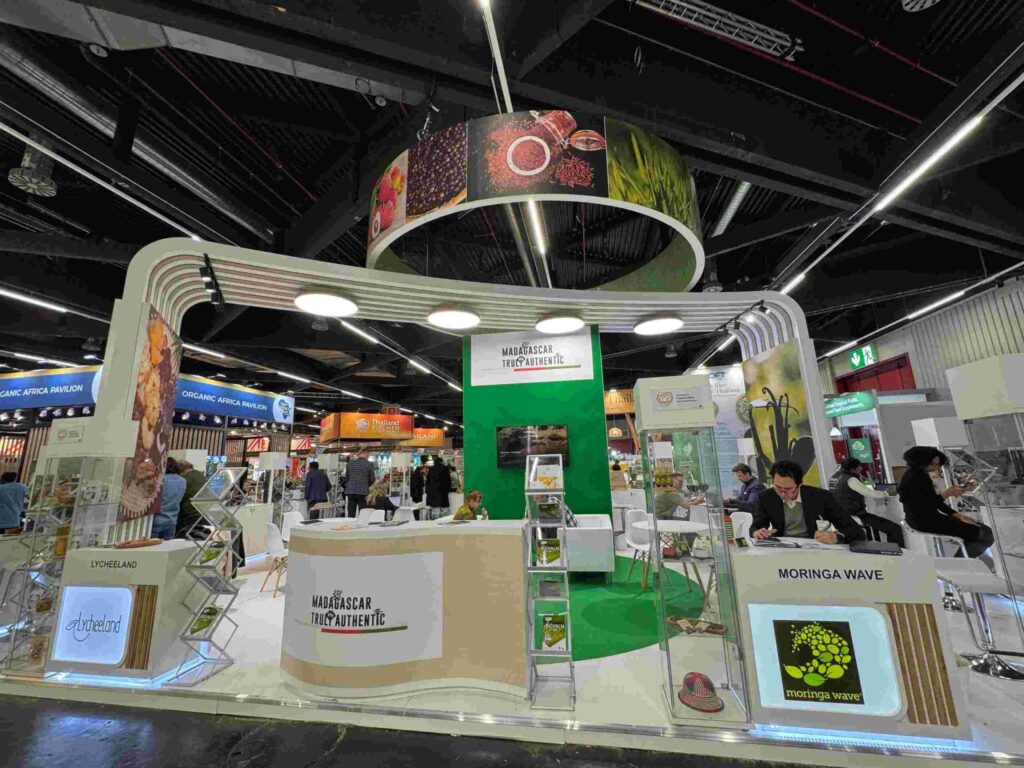
Trade exhibitions have always been an important aspect of corporate marketing since they give firms a great method to show off their products, meet potential customers, and make their brands more visible. But it’s harder than ever to stand out when so many brands are trying to get people’s attention. Color is one of the most important yet frequently ignored parts of a successful trade show. Choosing the appropriate color for your trade show booth does more than just make it seem nice. Colors can alter how people feel, how they act, and even how they make decisions. Color is predicted to be increasingly more important in booth design as firms get ready for trade show trends in 2026. Keeping up with the latest trade show booth design trends will make your company stand out, whether you want eco-friendly colors or vibrant digital palettes. In this post, we’ll look at the most popular colors for trade show booths in 2026, the reasons behind these choices, and how to use them in your next expo stall design. Why Colour Is Important for Trade Show Booths Before we get into the trends, let’s talk about why color is so crucial when designing a trade show booth. First Impressions Count: People that come to your booth generally decide in the first few seconds whether to talk to you. A well-chosen color stand can quickly draw people’s attention in a busy show space. Brand Identity: Colors show what your brand is like. For example, blue means trust, green means sustainability, and red means energy and urgency. Psychology in Action: Colors affect how people feel, which is a well-known idea in marketing. Using psychology exhibition concepts in your booth design can help shape how people feel about and engage with your business. Trends in Trade Shows: A lot of trade show industry trends are moving towards immersive experiences. Colors are now employed in more than just displays. They are now used in lighting, interactive walls, and even flooring to make the space feel like it fits the brand story. Minimalism is one of the most popular styles for expo stalls right now. Instead of filling the area with text, pictures, and bold features, many firms are choosing clean, open layouts that only show the most important brand messaging. This method works very well when you use neutral color palettes with carefully chosen accent colors. Minimalist trade show booths not only look more modern, but they also make the space feel calmer and more professional, which makes it easier for visitors to have deeper talks. The Best Colors for Trade Show Booths in 2026 1. Nature-Inspired Greens and Earthy Tones Sustainability isn’t just a phrase; it’s changing the way b2b trade shows are going to be in the future. In 2026, natural greens, earthy browns, and beige colors will be more popular in the designs of expo stalls. Why it works: These colors make a space seem tranquil and grounded while showing off a brand’s commitment to the environment. Best for: Most useful for businesses in fields like wellness, food, renewable energy, and lifestyle. Tip: For a fresh, natural effect, mix muted greens with wooden textures and plants. 2. Bright digital colors: electric blue and bright purple As digital transformation continues to change the way trade shows work, expect to see more trade show booths using colors that look like they’re from the future, such as electric blue, neon purple, and colors that look like they’re from the internet. Why it works: These colors are associated with technology, new ideas, and creativity, which makes them great for firms that focus on IT. Best for: firms that make electronics, software as a service (SaaS), or IT. Tip: Use LED lights to make these blinds look even more modern. 3. Minimalism in one color: black, white, and grey Minimalist design is getting more and more fashionable in trade fair booths. A monochrome color scheme not only appears elegant, but it also draws attention to your branding and product displays. Why it works: Black and white booths stand out in colorful exposition halls because they are simple and elegant. Best for: high-end services, fashion, cars, and luxury brands. Pro Tip: Use one accent color, like red or gold, to draw attention to important parts of your booth. 4. Soft colors make things calm and friendly In 2026, trade show trends are all about soft pastel colors including lavender, mint green, peach, and sky blue. These colors make people feel welcome and at ease, which draws them in without overwhelming them. Why it works: Pastels make people feel peaceful, kind, and trustworthy, which is great for making friends. Best for: the beauty, health care, education, and lifestyle industries. Tip: Use pastels with natural light or soft LED backdrops to make the room feel light and modern. 5. Color blocking with a lot of contrast Trade show booth design trends in 2026 are leaning towards strong contrasts, such as black and neon yellow or white and deep navy. Color blocking makes your booth stand out right away and draws people in from far away. Why it works: Colors that are different from each other make people feel energetic and excited, which makes them want to know more. Best for: consumer items, entertainment, sports, and new businesses who want to stand out. Tip: Use contrast carefully in signs and graphics, not all over the booth, to keep visitors from feeling overwhelmed. 6. Metallic Accents for a Luxurious Look Brands are bringing back gold, silver and copper tones to expo stall designs to make them look more elegant. A booth design with metallic elements and bright base colors looks expensive and stays in people’s minds. Why it works: Metallics stand for success, excellence, and being unique. Best for: Jewellery, cars, finance, and high-end B2B brands. Tips: Instead of covering the full booth, use metallic finishes on logos, signs, or furnishings. 7. Colours that are important in different cultures and regions As international events become more common, multinational corporations are adding

how to stand out at a trade show
Trade show

How to stand out at a trade show

In today’s highly competitive business environment, simply attending a trade show is not enough. Hundreds of exhibitors are vying for the same audience, and standing out requires more than just a great product—it demands a strategic approach and a memorable trade show presence. Your trade show booth is your brand’s stage, your first impression, and the key to turning casual visitors into valuable leads. To achieve real trade show success, you need to combine creative booth design, smart marketing strategies, and engaging experiences that captivate your audience. In this guide, we’ll explore proven trade show best practices, booth display ideas, how to stand out at a trade show and marketing tips to help you rise above the competition and maximize your event ROI. Whether you’re exhibiting for the first time or you’re a seasoned participant, these insights will help ensure your brand makes a lasting impression on every visitor. Why Standing Out at a Trade Show Matters? In the ongoing race among companies competing for market share, trade shows offer a valuable opportunity to build brand identity and connect with potential customers. When it comes to know on how to stand out at a trade show, however a one-size-fits-all approach can limit your impact. Relying on a standardized, end-to-end strategy may result in minimal returns and missed opportunities for differentiation. For example, you could be the only one to: Call people to your booth and then make them stay longer by playing on an online game Have a conversation with a potential customer who later goes out in the world remembering that conversation and talking about it to the people around Develop quality leads through educational and fun activities Establish your brand as a respected and recognized presence in the industry. 2. How to Prepare for a Trade Show The right preparation is a basic condition to stand out at a trade show. Do exactly the following so that you are sure you will be ready: a. Define Your Objectives Set clear goals, for instance: Number of high-quality leads to be generated. New product launch targets Brand Awareness metrics Networking opportunities to pursue b. Research the Event and Audience Knowing the particulars of the event will assist you in adjusting your strategy: Projected attendance How your competitors will be exhibiting Details about the attendees c. Plan Your Booth Design Early Your booth functions as the primary representation of your brand during the event. Try to cooperate with a team of exhibition stand designs and construction professionals in your endeavor to produce a stand that meets the following conditions: It looks attractive through the use of vivid graphics. It has the functionality of demonstrating products and connecting with other participants. It has the visual effects that correspond to the identity of the brand 3. Innovative Trade Show Booth Ideas For instance, some of the creative trade show displays or trade show booth design ideas might be Eye-Catching Visuals 3-dimensional signboard and striking graphics LED walls on which the screens can be changed for better visual presentations Swinging hung banners to make it easy for people to notice them Interactive Elements Display products via touchscreens Let a buyer take a virtual tour or do a demo with the help of the AR Promotional games or tests Effective Lighting and Layout There is a strategically planned light to illuminate the important areas Clear paths to guide people through the exhibition necessary for maneuverability are in the design and placement Being able to sit comfortably is the best way to attract potential clients to your display 4. Trade Show Marketing Tips for Maximum Impact Improve your market presence with these trade show marketing tips: Pre-Event Promotion Keep followers up to date by social media posts Send personalized emails to invitees Provide some perks or promotions to the early birds Staff Training Be sure that no one of the visitors is left without attention Make sure everybody memorizes the product information correctly Train in lead qualification techniques Offer Engaging Giveaways Branded merchandise or practical giveaways (like reusable bags or tech accessories) can: Attract more attendees to your booth Leave a lasting impression that keeps your brand remembered long after the event. 5. Trade Show Success Tips for Lasting Impact If you are really determined to be noticeable and have a substantial increase in your ROI after the trade shows by thinking out of the box the following successful trade show strategies need to be implemented: Highlight Your Unique Value Proposition (UVP) Make sure that visitors not only can recognize but also understand what exactly your company stands for: What is the name of your company? What are the things you deal with? Why should the customers be interested in your products? Advocate the UVP of your product by exhibiting it on banners, digital screens or brochures to attract the attention of the audience. Efficient Lead Collection and Nurturing Use high-tech tools like a smartphone or pager to collect leads: Quick access to company information through QR codes on excel files Lead data online forms on websites rather than a traditional hard copy paper Social media to follow up those leads at the exact time they showed interest in your products or services Note that the response time of the follow-up email plays a significant role in enhancing the sales conversion rates. Post-Event Performance Analysis Quantify the success of the trade show through: The actual number of leads you got The quality of the interaction with customers Whether it’s purchasing products or promoting and sharing your brand as a whole. 6. Leveraging Professional Exhibition Stand Design and Build Highly skilled exhibition stand design and the build professionals, who are in partnership with your company, make you stand out at a trade show and can provide diversified help such as design of: Your needs in terms of booth configuration and finishing lines are the things that are given the most attention A novel reference of your brand, through Keynote examples The time and effort you spend on setting up and the takings you save

How to Have a Successful Trade Show Booth
Trade show

How to Have a Successful Trade Show Booth

Going to a trade show can be one of the best ways to grow your business, make new connections, and get the word out about your brand. But just being there isn’t enough. You need a well-planned and attractive trade show booth, a strong marketing strategy, and a focus on getting people to interact with you if you want to really stand out and get results. This blog post will teach you everything you need to know to make your trade show booth a success, such as how to set it up, how to market it, and how to design it well. If you’re new to trade shows or want to do better at the next one, this guide will give you tips for your booth and strategies for success that will help you stand out from the crowd. Why Trade Shows Are Important for Business Growth Trade shows are still one of the best ways for businesses in all fields to market themselves. They give industry professionals, potential clients, vendors, and even competitors a rare chance to meet in a lively space. Trade shows are a great way to meet people in person, get your brand in front of more people, and stay up to date on market trends, whether you’re a small business or a big one. Here are some reasons why trade shows are important for business growth: Show off your products or services: Trade shows give you a chance to show people what makes your business special. A live demonstration can leave a lasting impression on potential buyers, whether you’re showing off your best-sellers or launching a new product. Build Brand Awareness: A professionally designed trade show booth can help people see your brand. Even people who don’t stop by your booth may remember your logo, colors, or message the next time they see it, whether it’s online or in person. Meet Possible Partners and Investors: Many business owners go to trade shows not just to sell things, but also to make strategic partnerships. You could meet vendors, partners, or even investors who are looking for new ideas. Gain Valuable Market Insights: Watching competitors and talking to attendees can help you get a better idea of what customers want, what the market is like, and what the industry is doing. This direct feedback is very helpful for improving your products and marketing plans. Trade shows give you a chance to reconnect with current clients and thank them in person, which can help you build stronger relationships with them. Building these relationships can make customers more loyal and get them to tell their friends about you. But keep in mind that there are hundreds of booths vying for attention, and people only have so much time and energy. If you want to make a difference, your trade show booth needs to be well-planned, look good, and fit with your business goals. 1. Set Clear Goals for Your Trade Show Booth It can be expensive to go to trade shows, so it’s important to keep a close eye on your budget to get the most out of them. Your goal should be to spend wisely, which means not just saving money but also putting it into things that will give you the most value. Essential budget categories to consider: Booth space and custom design. Shipping, setting up, and taking down are all part of logistics. Travel and lodging for your team Branded Giveaways and Marketing Materials Tools for capturing leads and campaigns after the show Don’t just think about the costs up front; think about the long-term benefits of getting your brand out there, making new connections, and getting potential leads. A well-thought-out budget makes sure you get the most out of your money. 2. Invest in an Effective Trade Show Booth Design First impressions are important, especially at a busy trade show. A well-designed trade show booth that looks professional and stands out can attract people and help them remember your brand. Important parts of a good booth design are: Brand Consistency: Your booth should clearly and consistently show your brand colors, logo, and message. Clear Messaging: Use short, strong taglines or value propositions that make it clear what you do right away. Lighting: The right lighting makes things easier to see and makes people feel welcome. Visual Displays: Show off what you have with product demos, digital screens, or videos. Open Layout: Don’t let things pile up. Make it easy to get into, move around in, and talk to people at your booth. Make sure the booth design company knows your brand and goals if you’re working with one. Modular setups, backlit graphics, and interactive touchscreen kiosks are some examples of creative trade show displays. 3. Plan a Smart Trade Show Booth Setup Setting up your trade show booth smoothly is important to avoid stress at the last minute and to make sure your booth works well during the whole event. Checklist for Setting Up a Trade Show Booth: Check with the organizer to make sure you have the right amount of space and the right size for your booth. Set up for early delivery of booth supplies Get tools ready to put up the booth Make sure that power outlets and internet access are set up ahead of time. The day before the event, check the lighting, signs, and technology setup. A well-thought-out setup plan can save you time and make sure your booth is ready to go when the trade show starts. 4. Use Creative Trade Show Display Ideas to Stand Out Your booth needs to look different and offer something special to get people to come by. Here are some unique ideas for trade show displays that can help you stand out: Show people how your product works to get them interested. Branded photo booths or selfie stations get people talking about your brand. Use tablets or kiosks to make fun, educational games or quizzes. For tech-savvy brands, immersive experiences stick with people.

trade show effectiveness
Trade show

How to Measure Trade Show Effectiveness

Trade shows are where brands come to life. They are an excellent venue for showcasing products, meeting potential clients face to face, and making strong industry connections. However, beyond the bright lights and crowded booths is a critical question that every marketer must address: Was it worthwhile? Participating in a trade show takes time, money, and significant resources—from designing eye-catching trade show booth displays to sending your top people on-site. Without proper evaluation, you may never know whether your efforts were beneficial or if your money could have been spent more wisely. In this blog, we’ll break down: What a trade show is and why it matters for businesses Why measuring trade show effectiveness is crucial for marketing success Key metrics and proven strategies to calculate your trade show ROI Whether you’re showcasing at a local trade show in Poland or making a mark at an international exhibition, this guide will help you turn insights into impact and ensure your next event delivers measurable results. What is a Trade Show? A trade show is a major commercial event where businesses in a certain industry can showcase their products or services, connect with potential customers, and network with crucial partners. These events are often conducted in large convention centers, attracting a varied range of industry professionals, decision-makers, and buyers. Participating in a trade exhibition offers a variety of game-changing advantages: Directly address your target audience. Live product demonstrations that capture attention High-quality leads and sales opportunities. Increased brand visibility through smart trade show booth displays. However, the ultimate success of any trade fair is determined by measurable results rather than mere attendance. Evaluating trade show effectiveness enables you to improve your marketing strategy and increase your event marketing ROI, ensuring every event delivers tangible value for your business. Why Measuring Trade Show Effectiveness is Important? A lot of companies may just be at trade shows because they feel it is a way of “staying ahead of competition”. But if you do not measure your performance, you might waste much money on trade show booth design, displays, and marketing campaigns that are not giving back enough. Important benefits from this method are: Compute Trade Show ROI: Look at the number of leads and sales that were made. Evolve the Future Strategy: Recognize the successful and unsuccessful areas of your trade show marketing strategy. Validate Budgets: Report to the management the outcome based on data so that they take into consideration the information when planning future. Concentrate on Top Performing Events: Which ones among these would be—whether near or in Poland, a trade show in Poland or other worldwide expos. Key Metrics to Measure Trade Show Effectiveness 1. Lead Generation and Quality The most trade shows, simple gold, are to obtain new leads. However, it is critical to acknowledge that not all leads have equal cost. Keep track of both the number and the quality of leads that you bring in. Main Indicators: Number of total leads Percentage of qualified leads Lead conversion rate of qualified to paying customers Tip: Set up necessary lead sources for your trade show booth to quickly capture, organize, and bestow in real time. 2. Sales and Revenue Generated The amount of sales made during or after the trade show is the best predictor of trade show ROI. Consider how the aggregate sales contribution affects the total cost. Here is a Calculation Example: In the case, your company pays $20,000 on a trade show and they make $60,000 in confirmed sales, then your ROI will be 200%. 3. Booth Traffic and Engagement A creative trade show booth design and hands-on demos such as: are two of the methods you can use to rise up above your competition. Keep track: The number of people who visit your booth The time clients spend when interacting with the employees Participation in demos or activities Using trade show displays such as digital screens, virtual trauma exposures, or product demonstrations can significantly boost up engagement. 4. Brand Awareness and Visibility It isn’t always possible that a memorable trade show ends up in sales. It takes time for brands to be recognized and slowly but surely generated conversion. Here are the main markers you ought to look into: Increased social media engagement and follower count Book stalls in your website that attract visitors on a short-term basis Presence in media or having being mentioned by the press Trade show marketing strategy that included digital promotions, capture the clicks and engagement specific to the given event. 5. Networking and Partnerships Trade exhibits are not simply key to acquiring sales—even in the absence of a purchase, it is possible to orchestrate a profitable relationship. Aided by the following metrics, have a check on the percentage of concrete relations you build: Company representatives Distributors and/or suppliers who are candidates to represent your business Editors and influencers Your event marketing ROI can even tally because of a single partnership if it were strategic. 6. Cost Analysis and Budget Performance Measuring nation trade effectiveness however means not only to know the sales but to have the complete picture such as: Booth fee hosting and trade show booth design Transport and lodge expenses Advertising and sales promotion materials Worker and wage spending Once you have done this, figure out the difference in these costs and the sales and qualified leads to obtain the nation ROI of the trade show. Best Practices to Improve Trade Show Effectiveness 1. Set Clear Objectives Do the necessary pre-work and define success in advance like do you necessarily want to do the following among other things: Are you going to produce a targeted number of leads? Played to direct sales? Insert the new product? Good objectives clarity will cause the easier to measure results and ROI calculation. 2. Invest in Attractive Trade Show Booths The stand is the first image of your company to the public. A trade show booth with a professional design will be able to: Boost foot traffic Strengthen engagement Exhibit the identity of your brand He/she may use interactive

Scroll to Top