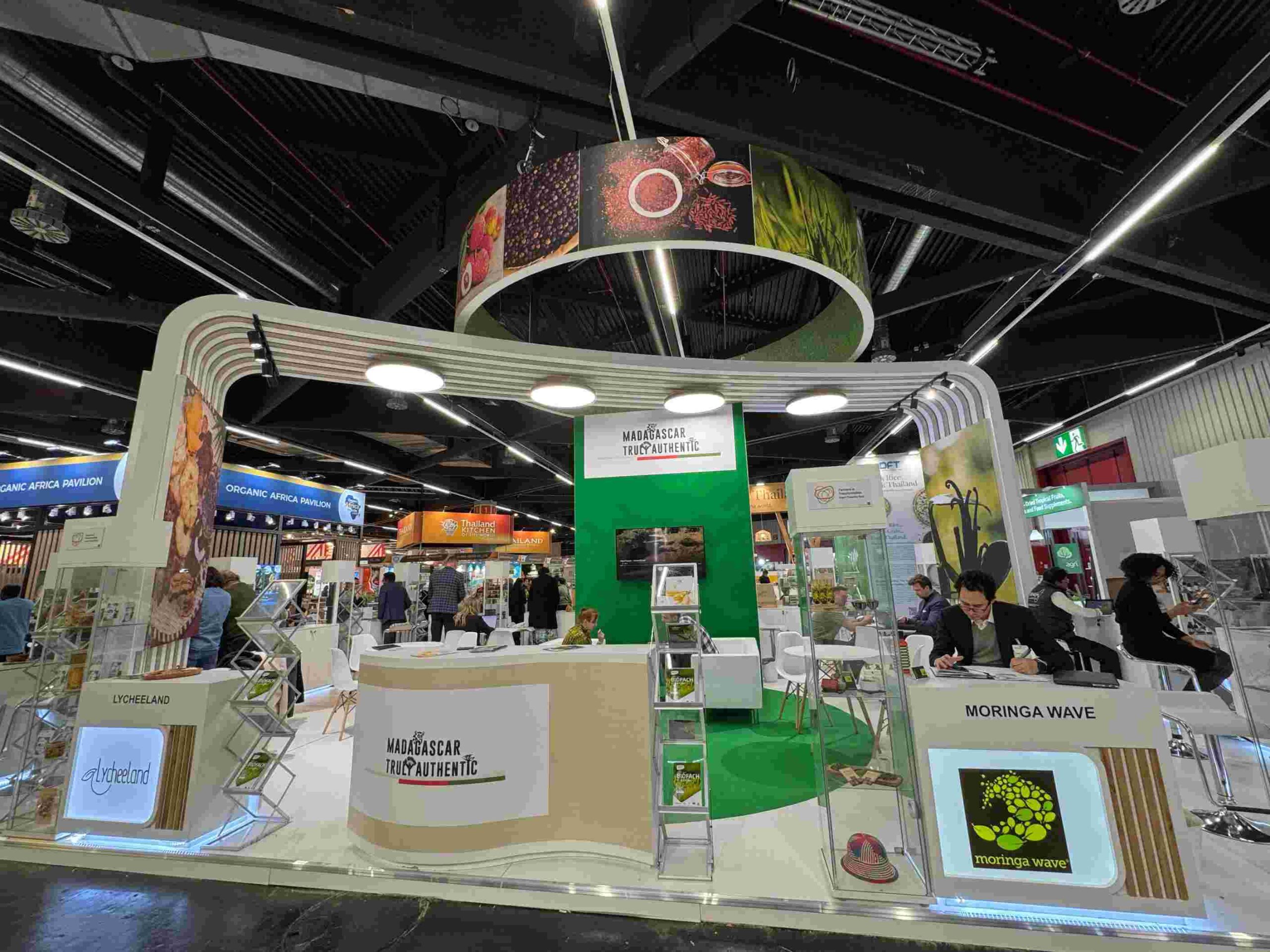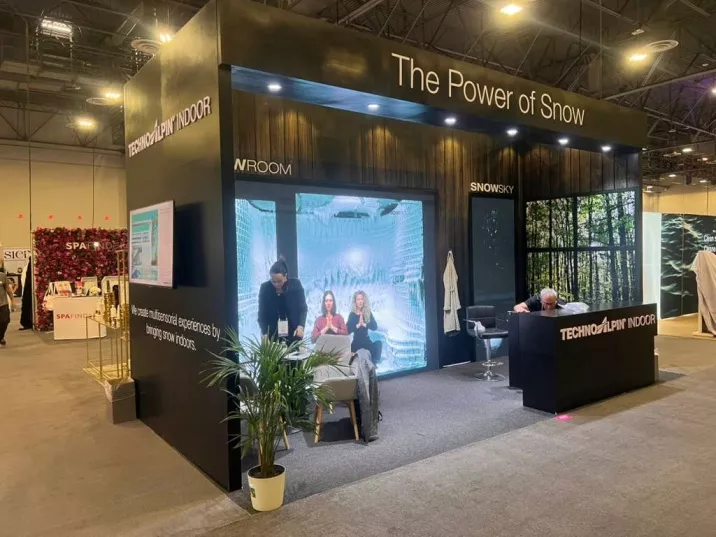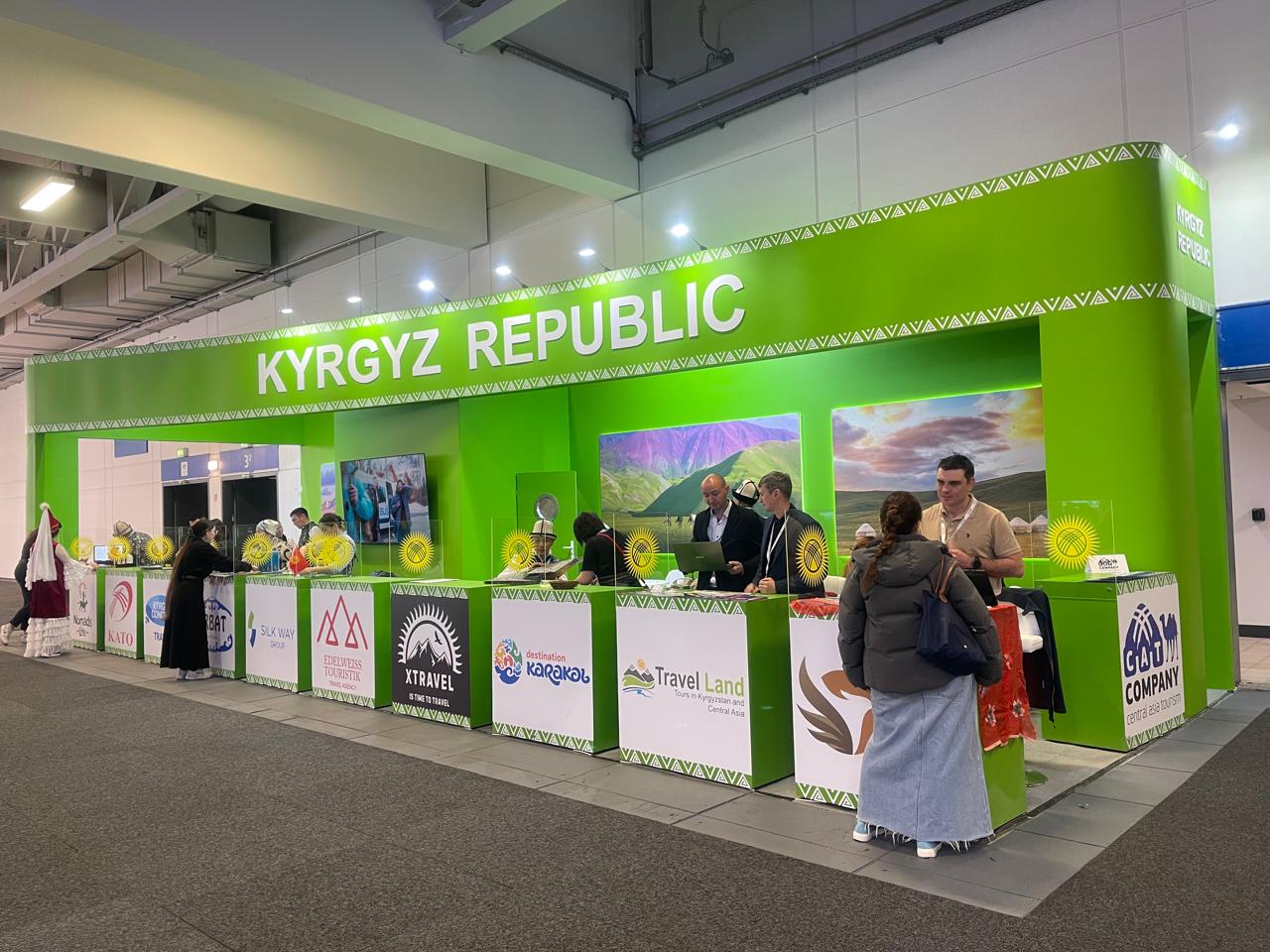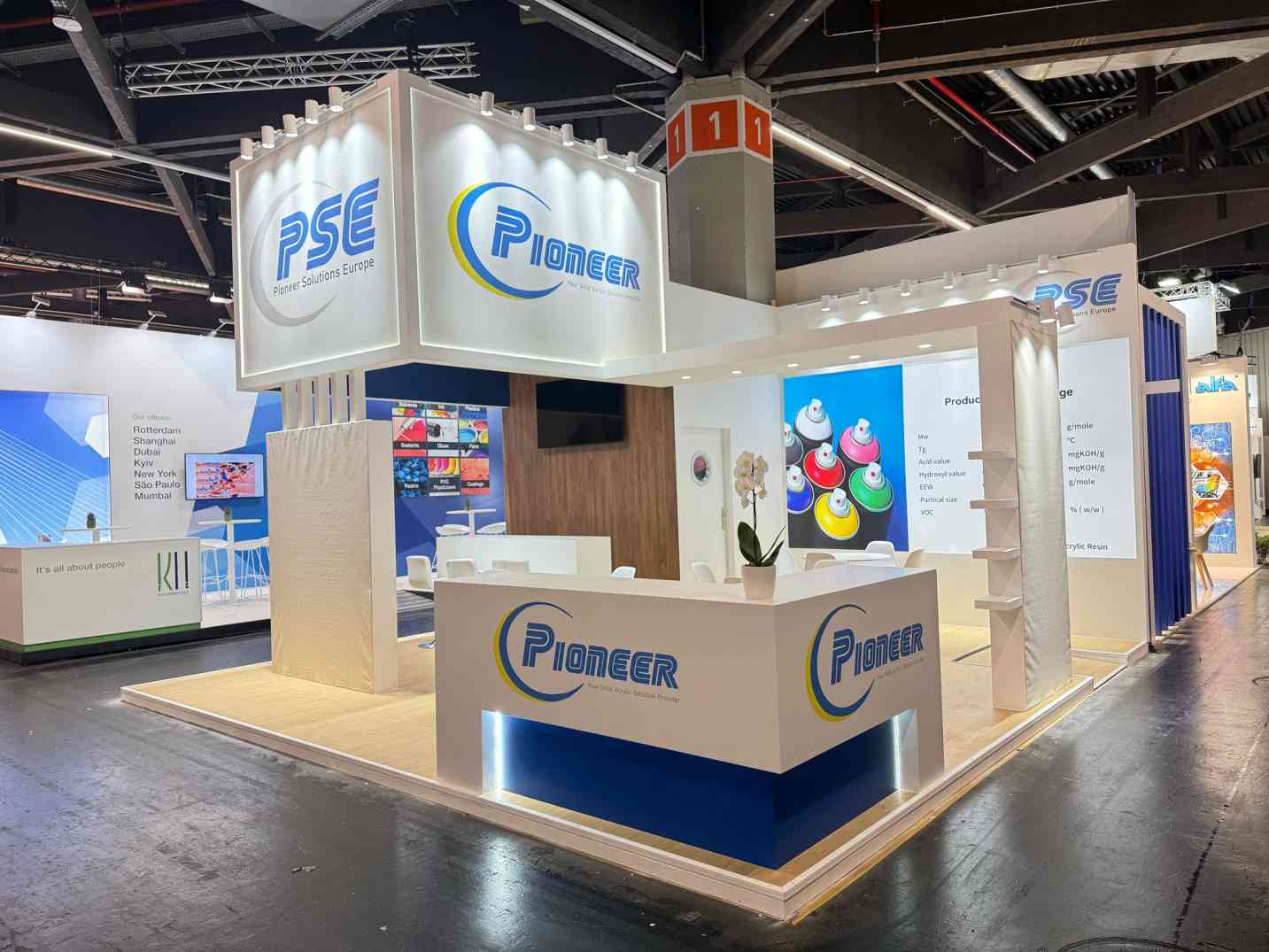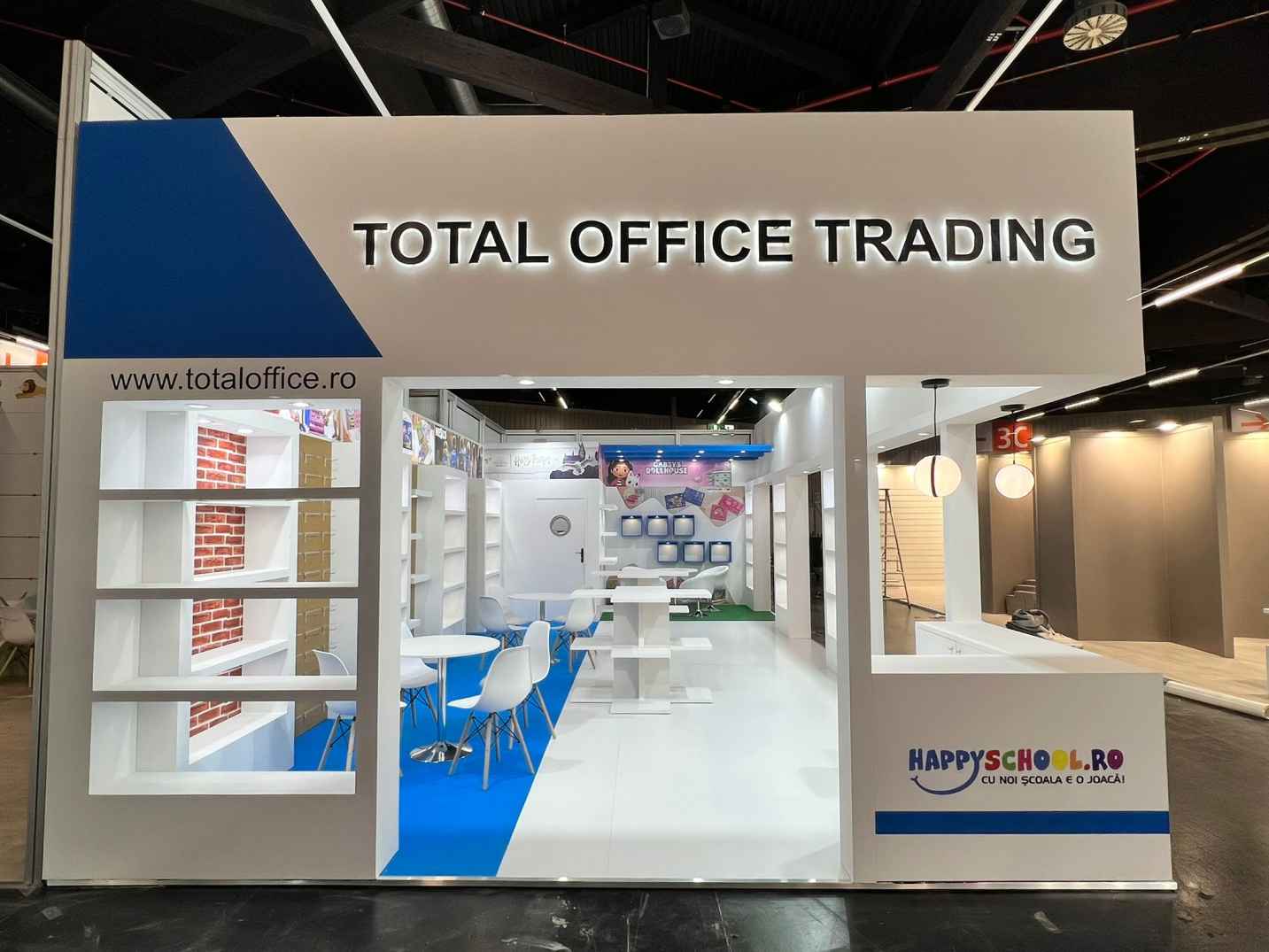

Making an exhibition stand is about more than just making a booth that looks nice. There is a comprehensive procedure behind the slick screens, smart lighting, and seamless structures that requires rigors respect to safety regulations and compliance. The process of exhibition stand construction must follow industry rules, venue rules, and international safety rules, no matter if you are getting ready for a worldwide trade fair, a local expo, or a company exposition.
In the past several years, organizers and exhibitors have learned that exhibition venues that are secure and up to code do more than keep people from getting hurt. They also build brand trust, make the event more enjoyable for visitors, and make sure everything goes smoothly. Exhibit Elevate and other professional firms follow these rules to build safe and beautiful booths that follow best standards for building exhibition stands.
This blog tells you all you need to know about safety, following the rules, and doing things the right way when building an exhibition. You will learn how to make sure your booth is robust, safe, and consistent with fire safety, electrical codes, material standards, and on-site rules.
Why Safety Matters in Stand Construction
Every great display build starts with safety. Heavy equipment, electrical systems, tall buildings, and a lot of people are all part of big events. Any mistake might cause big problems or accidents.
Important reasons why safety is important when building an exhibit:
- Keeps workers and visitors safe from harm
- Stops electrical dangers and structural failures
- Makes ensuring that the rules of the site and the event organiser are followed
- Keeps exhibitors from having to pay fines, fix things, or alter things at the last minute.
- Lessens the danger of being held liable
- Increases trust in the brand and professionalism
It’s crucial for a booth to look good, but it’s even more critical for it to be secure.
Key Regulations in Exhibition Stand Construction
Exhibition stand construction is a careful procedure that needs a lot of preparation, technical competence, and a strong commitment to safety. Every country and site has its own rules for building display booths, but the basic rules for safety and compliance are the same everywhere. Exhibitors and contractors must follow specific rules to make sure that every booth is stable, safe, and in conformity with industry and venue requirements.
Below is a longer and better list of the most important safety rules that every exhibitor should know before going to any trade show.
1. Structural Safety Regulations
Every safe display stand is built on structural stability. Bad engineering can cause things to fall down, become unstable, or fail unexpectedly during the event.
To build a safe and compliant stand, builders must:
- Make sure that walls, platforms, and structures above fulfil the approved load-bearing capacity.
- For all structural and hanging exhibits, use the right anchoring systems.
- Follow the rules for double-storey and raised platforms in engineering
- Use only certified structural materials to ensure safety and long-lasting results.
- Before the event, do stress testing or load calculations to make sure the structure is stable.
Professional show builders depend on accurate architectural plans, engineering evaluations, and compliance documentation to make sure the stand can handle vibration, crowd movement, and small impacts without putting safety at risk.
2. Rules for Electrical Safety
In any exhibition space, electrical systems are one of the most dangerous parts. One bad connection can start a fire, break equipment, or hurt someone.
Exhibitors must make sure they follow electrical safety requirements by:
- All of the lights, wiring, distribution boards, and equipment have been certified and approved.
- The electrical circuits are correctly grounded and earthed.
- All devices that need a lot of power have overload protection built in.
- The booth has flame-resistant wiring and cables all around it.
- Cable pathways are well-organized to keep people from stumbling.
Most places that host exhibitions have to check the booths before the event opens, and exhibits that don’t pass the inspection may not be allowed to open until the problems are fixed.
3. Fire Safety Standards
Because there are a lot of people coming and going and there are electrical installations and dangerous materials, every exhibition building has to follow strict fire safety rules.
Some important fire safety rules are:
- Use of fabrics and building materials that don’t catch fire
- Putting in emergency cut-off switches or devices that turn off automatically
- Easy access to emergency exits
- Availability of fire extinguishers, fire blankets, or fire equipment provided by the venue
- Little or regulated usage of appliances that make heat
Fire safety compliance is not only required; it is also essential for keeping people and workers safe and avoiding big problems.
4. Following the rules for accessibility
Exhibitions nowadays must be planned to include everyone. Accessibility compliance makes sure that everyone, including those with impairments, can use and enjoy the stand.
Standards for accessibility include:
- Providing ramps or platform access when needed
- Keeping wide, safe walking routes clear of obstacles
- Using floors that don’t slip and layouts that don’t have any hazards
- Putting up prominent signs and arrows that are easy to see
- Making sure that demo locations and counters are easy to get to
This way of doing things shows that the brand is responsible and makes the whole visitor experience better.

What Happens Before the Show Opens at the Construction Site
Safety and compliance don’t start when the show opens; they start weeks or even months before that, during the build-up phase. Before the first person walks into the hall, the display space is turned into a full-scale building site. Heavy machinery, electrical systems, big buildings, and many teams operating at the same time make the area quite dangerous, so strict standards must be followed.
It is important for the success of the event and to follow the law that operations run smoothly and safely during this time. The following areas are the most important for making sure that safety and exhibition stand construction are up to date.
Rules for Keeping Workers Safe
During the installation and removal of stands, worker safety is the most important thing. If safety rules aren’t followed, stand construction areas inside a trade show hall might be very messy. To keep things in order and cut down on accidents, contractors must follow the safety guidelines that have already been set, such as:
Required Safety Gear
Construction workers need to wear the right PPE (Personal Protective Equipment), which includes:
- Helmets for safety
- Gloves for protection
- Safety shoes with extra support
- Vests that are easy to see
- Wear eye and ear protection when needed.
These things lower the chance of getting hurt badly during the build-up period.
How to Use Access Equipment Safely
One of the most typical dangers when building an exhibition booth is working at height. To be compliant, you need to:
- How to use ladders, scaffolding, and aerial lifts safely
- Making sure that the equipment is stable and can handle the weight
- Not letting those who aren’t trained operate on high platforms
- Using tools and machines safely
Accidents can happen if you don’t use power saws, drilling equipment, or forklifts properly. Contractors must follow the rules on how to use the equipment and stay a safe distance away from it.
Clear Communication on Site
To avoid collisions, falls, mishandling materials, and other unexpected dangers, coordination in real time is very important. Workers have to:
- Use hand signals when it’s loud
- Always be alert of what’s going on around you.
- Talk about moving tools and materials
Being aware of hazards
Teams need to know how to spot dangers like:
- Sharp edges that are exposed
- Cables that are loose
- Structures that aren’t stable
- Wet or slick surfaces
Most accidents on stand construction sites happen because of mistakes that could have been avoided. Following these safety rules makes it much less likely that anyone will get hurt or that work will be delayed.
Good Construction Practices for Building Exhibitions
Following proper construction practices goes beyond the law and makes sure that every exhibition booth is safe and of high quality.
Use of Certified Materials
You need to get all the aspects of a building, such the structure, the lighting, the furnishings, and the decor, from reliable vendors. Certified materials make ensuring that:
- Safety from fire
- Stability of the structure
- Lasting quality
- Following venue and international rules
This gets rid of doubt and lowers the chance of safety problems coming up at the last minute.
Regular Checks
Inspections are an important part of keeping safety standards high. Builders need to check on a regular basis:
- Parts that hold weight
- Parts that need electricity
- Compliance with fabric and materials
- Conditions that are clean and devoid of hazards
Thorough inspections before, during, and after construction help find and fix problems early.
Accurate and Complete Documentation
It is necessary to have the right paperwork while doing exhibition booth construction. This includes:
- Drawings of structures and engineering certificates
- Diagrams of electrical systems and load calculations
- Safety data sheets for materials
- Certifications for materials that don’t catch fire
- Forms for risk evaluations and compliance
Many trade show organizers won’t let the stand open without these.
Clear Communication with Organizers
To develop a successful exhibition, you need to keep in touch with the people who are putting it on. This makes sure that:
- Height limits for venues
- Limitations on stand boundaries
- Rules on weight and load capacity
- Requirements for safety checks
- Rules for fire and electrical safety
Clear communication saves mistakes and expensive fixes.

Role of a Professional Trade Fair Construction Company
One of the best things exhibitors can do is work with a trade fair construction firm that has been around for a while. Professionals know the rules and technical aspects of trade shows and can see problems coming before they happen.
A team with a lot of skill:
- Makes sure the structure is correct
- Keeps up with fire and electrical safety rules
- Works with engineers and inspectors at the venue
- Offers certified materials and construction methods that have been approved
- Stops delays, fines, and having to redesign
Exhibit Elevate is an example of a company that combines great design with a focus on safety. They make stands that look great, last a long time, and meet all safety standards.
Safety Exhibition Awareness: A Growing Industry Focus
As safety rules for exhibitions throughout the world get higher, trade shows are adding more and more safety exhibition zones and training programmes. These areas stand out:
- Demonstrations of safety on construction sites
- The best protective gear available
- New rules from the government
- New ideas for safe and environmentally friendly materials
- Workshops for builders and those who show off their work
This attention across the business makes it clear that safety isn’t just a formality; it’s a standard of quality and professionalism.
How to Avoid Common Safety Mistakes When Building an Exhibit
Even experienced exhibitors sometimes miss important safety information. Some common mistakes are:
- Selecting non-certified or low-quality materials
- Overloading electrical circuits without sufficient planning
- Failing to secure hanging elements and overhead installations
- Building elevated platforms without approved railing systems
- Leaving heavy or unstable items unsecured
- Not following rules about the height and boundaries of the venue
If you stay away from these mistakes, the booth will pass inspections easily and stay safe during the event.
Why Compliance Improves Brand Reputation
A safe, compliant, and professional exhibition booth reflects positively on your brand. When people feel safe and at ease, they have a better opinion of your business.
Compliance means that:
- You prioritize quality and professionalism
- You care about the safety of your visitors and staff.
- Your brand meets the highest standards in the business.
- You promise to follow ethical and responsible rules while you show.
Exhibitors who invest in compliance often enjoy smoother events, stronger engagement, and higher trust from clients and industry partners.
Final Thoughts: Build Safe, Build Smart, Build for Success
Safety and following the rules when building a stand are not optional; they are necessary parts of a successful trade show plan. Exhibitors make booths that are not only visually stunning but also safe and reliable when they put safety, electrical compliance, fire prevention, and smart building principles first.
Whether you partner with an experienced team like Exhibit Elevate or manage your own installations, understanding these safety standards ensures a smooth trade fair experience from start to finish. A safe booth keeps your team safe, brings in visitors, builds your brand, and makes sure that your exhibition is a success in the long run.
Building safely isn’t just something that happens behind the scenes. It is the most important part of every great exhibition stand.