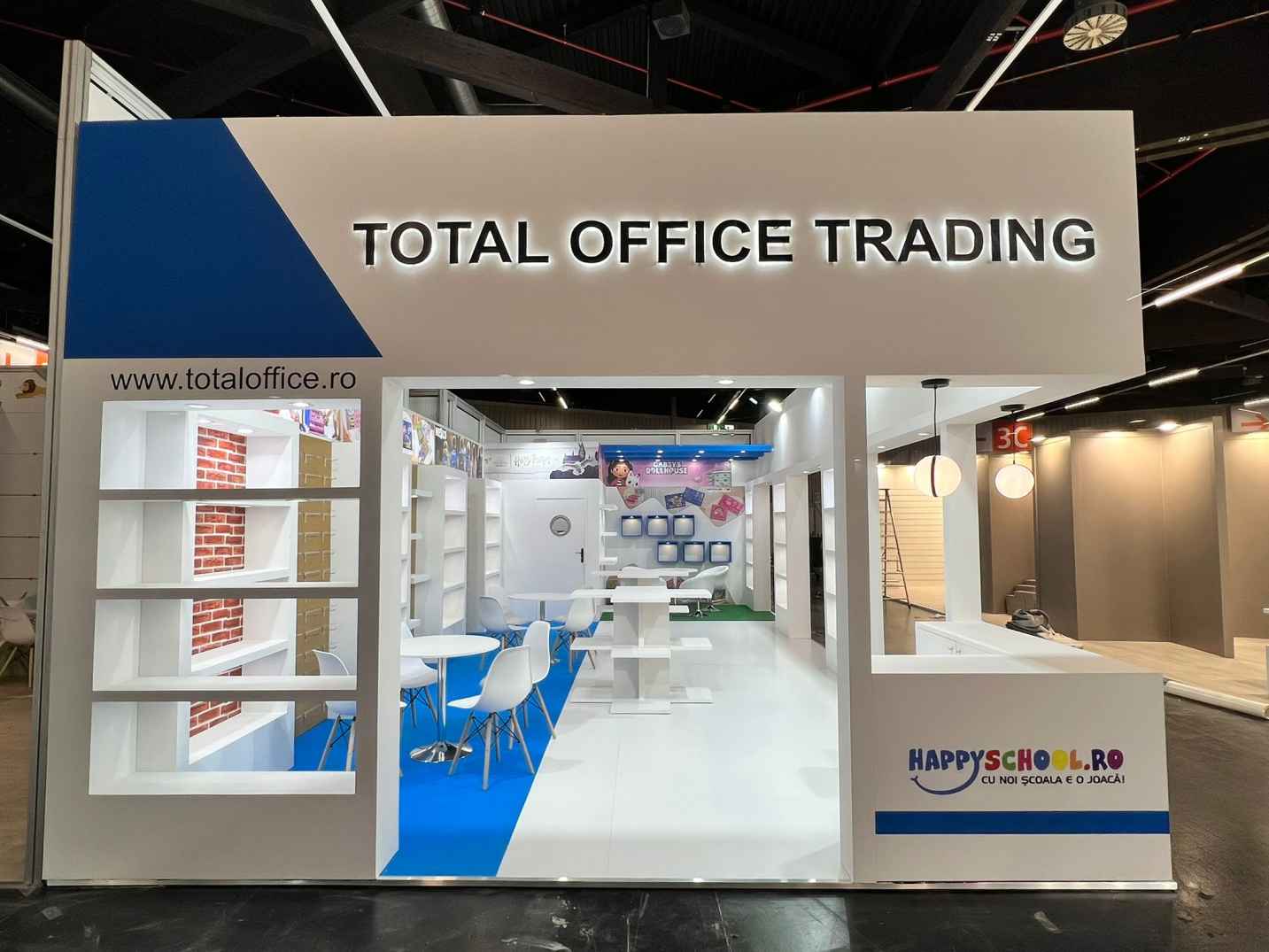

Exhibitions and trade shows aren’t only about getting people to come anymore. In today’s competitive exhibition world, the most important thing is how well you can turn booth visitors into long-term fans of your business. Anyone can stop by a booth for a free brochure or giveaway, but only a few brands can make a lasting impact that makes people want to tell others about them.
This change is quite important for businesses that spend money on exhibitions. A well-thought-out plan that includes creative exhibition stand design, meaningful engagement, and careful follow-up may turn your trade show participation from short-term exposure to long-term brand loyalty.
This guide explores proven strategies to help exhibitors move beyond surface-level interactions and build genuine connections that last long after the exhibition doors close.
Understanding the Mindset of Booth Visitors
It’s crucial to know why people go to exhibition booths before you start thinking about techniques.
Most people that come to the booth fit into one of these groups:
- People looking around the display floor
- Experts comparing different solutions
- People in charge getting information
- People in the same industry looking for ideas
A tiny number are willing to buy right away. Most people are judging how memorable, relevant, and trustworthy your brand seems. This is where branding and experience at the exhibition are really important.
If your booth doesn’t show value right away, people will go. But if you talk to them in a serious way, you provide the groundwork for advocacy.
Role of Trade Show Booth Design in Building Advocacy
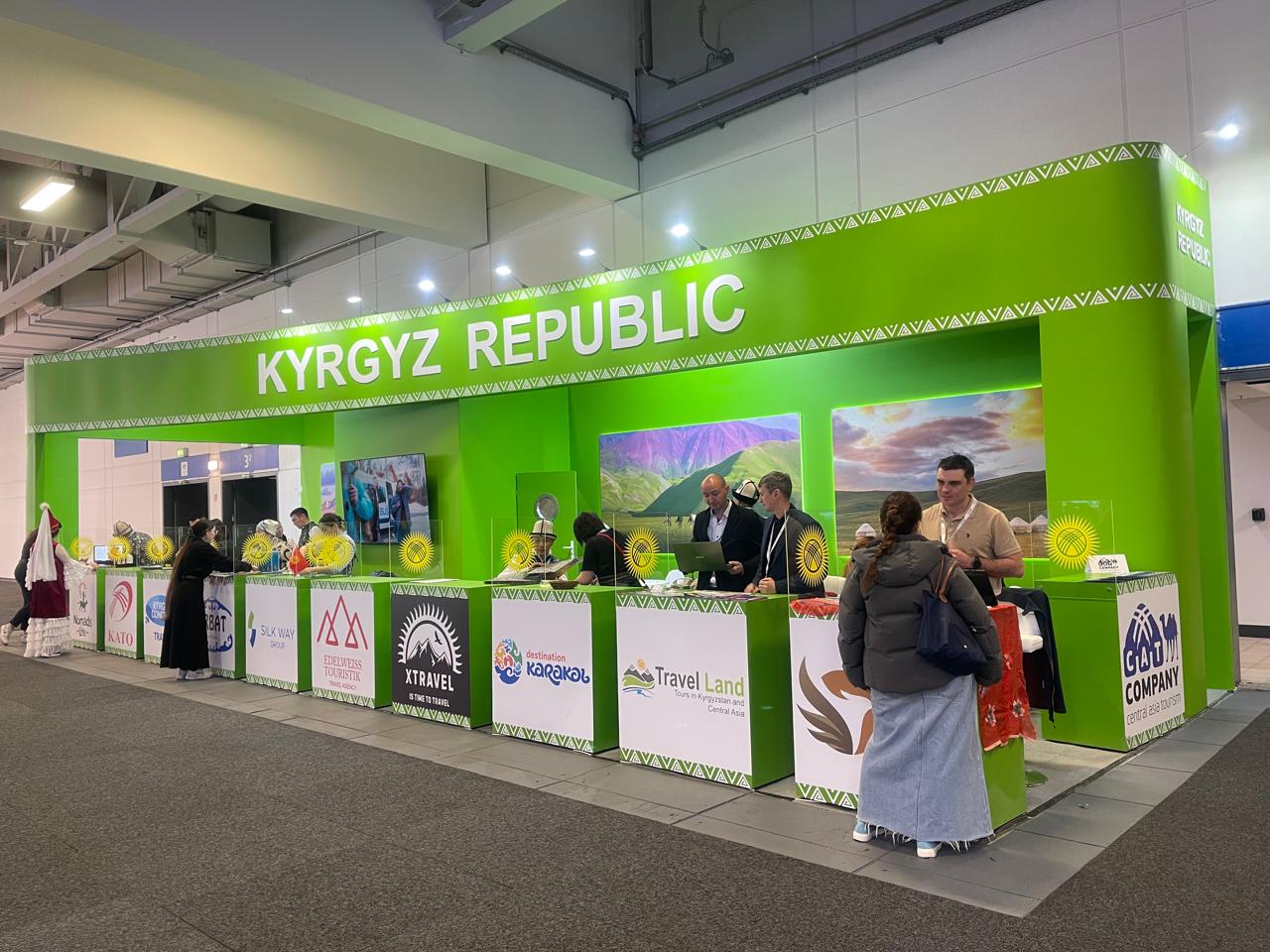
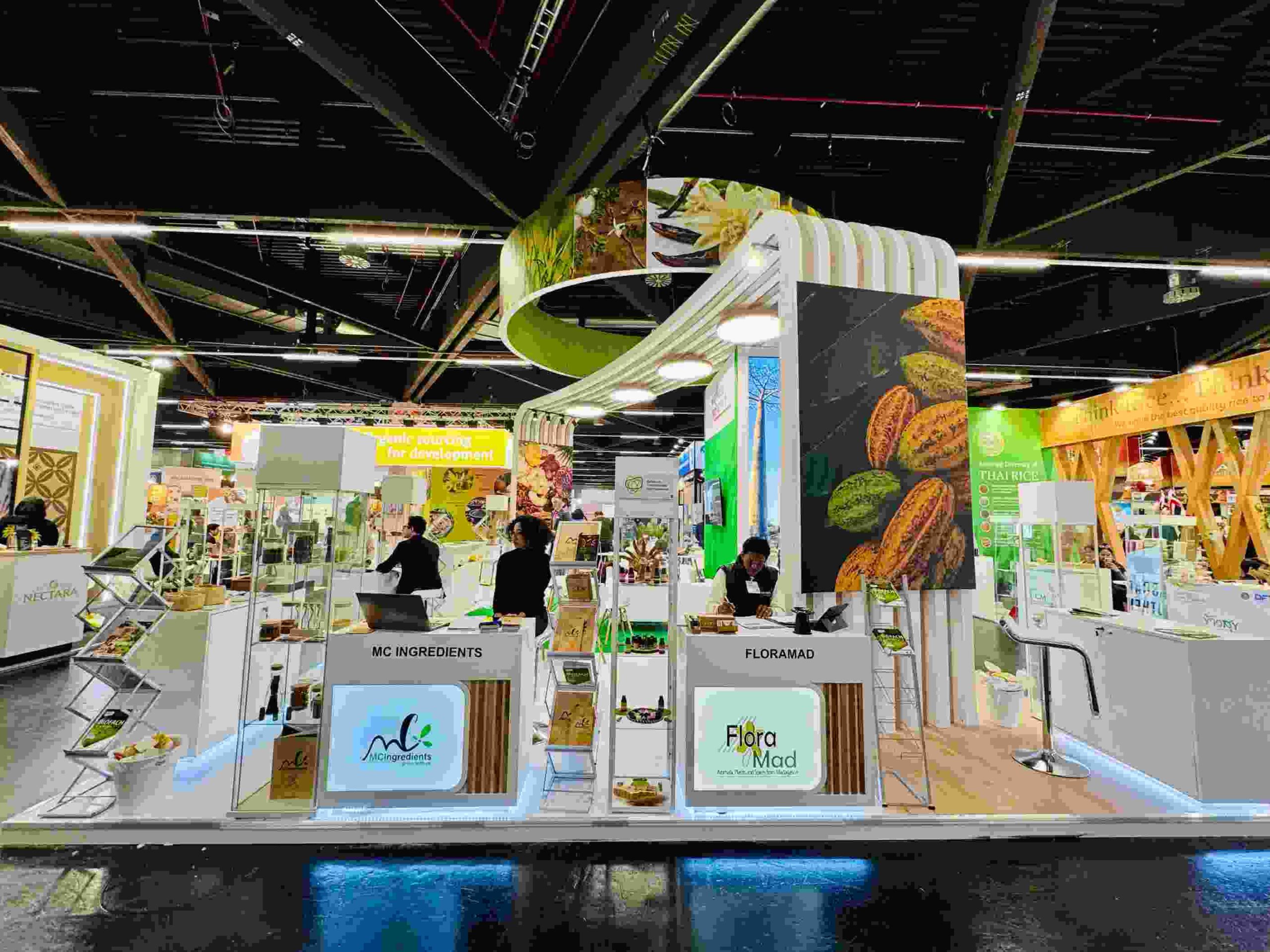
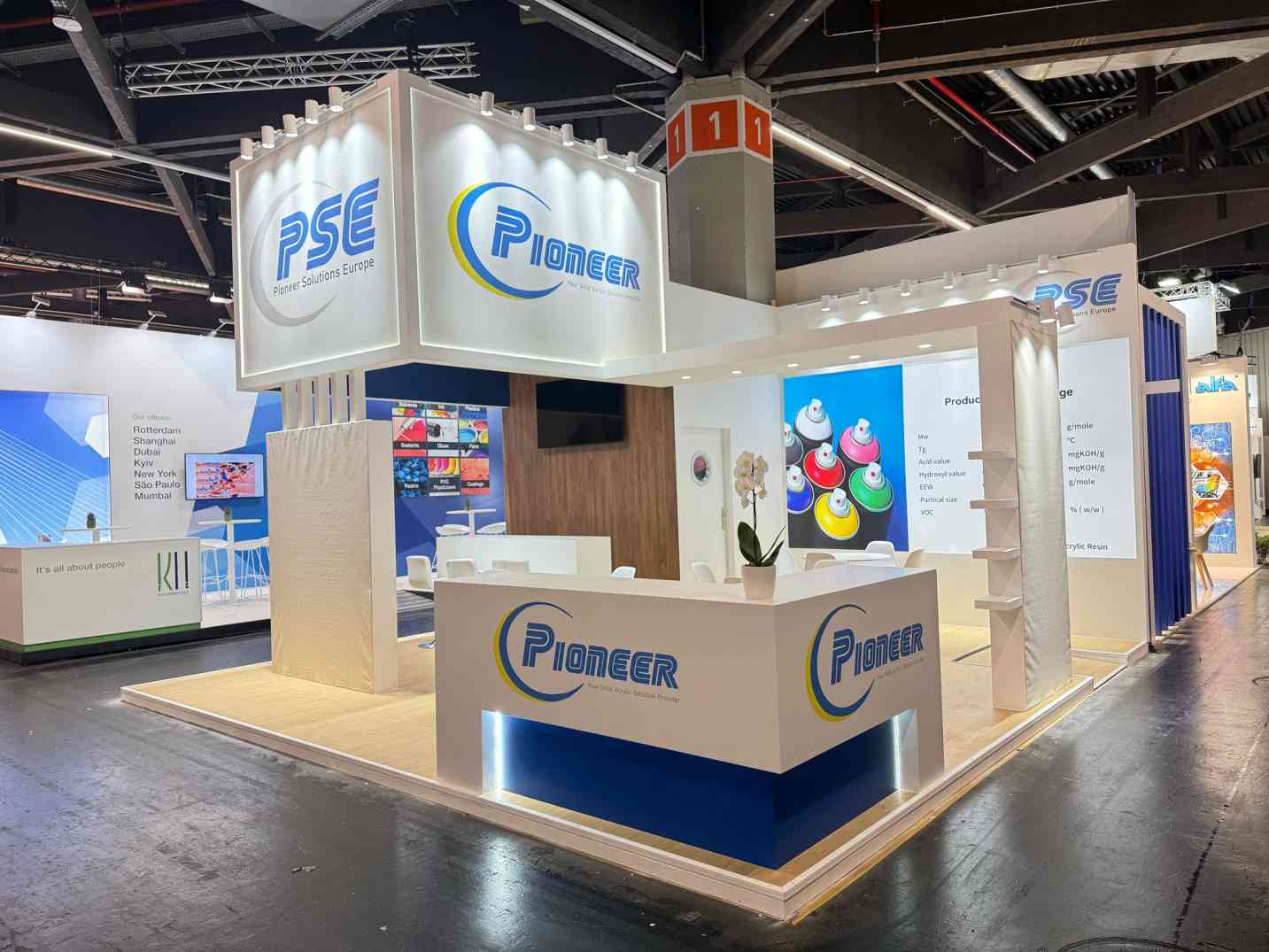
The first step in changing how people see things is to have a strong visual identity. Working with a competent trade show booth design business makes sure that your booth not only looks good, but also has a function.
Why Booth Design Matters
Your booth design has a direct effect on:
- First impressions
- Time spent at the booth
- How trustworthy people think your brand is
- Willingness to engage further
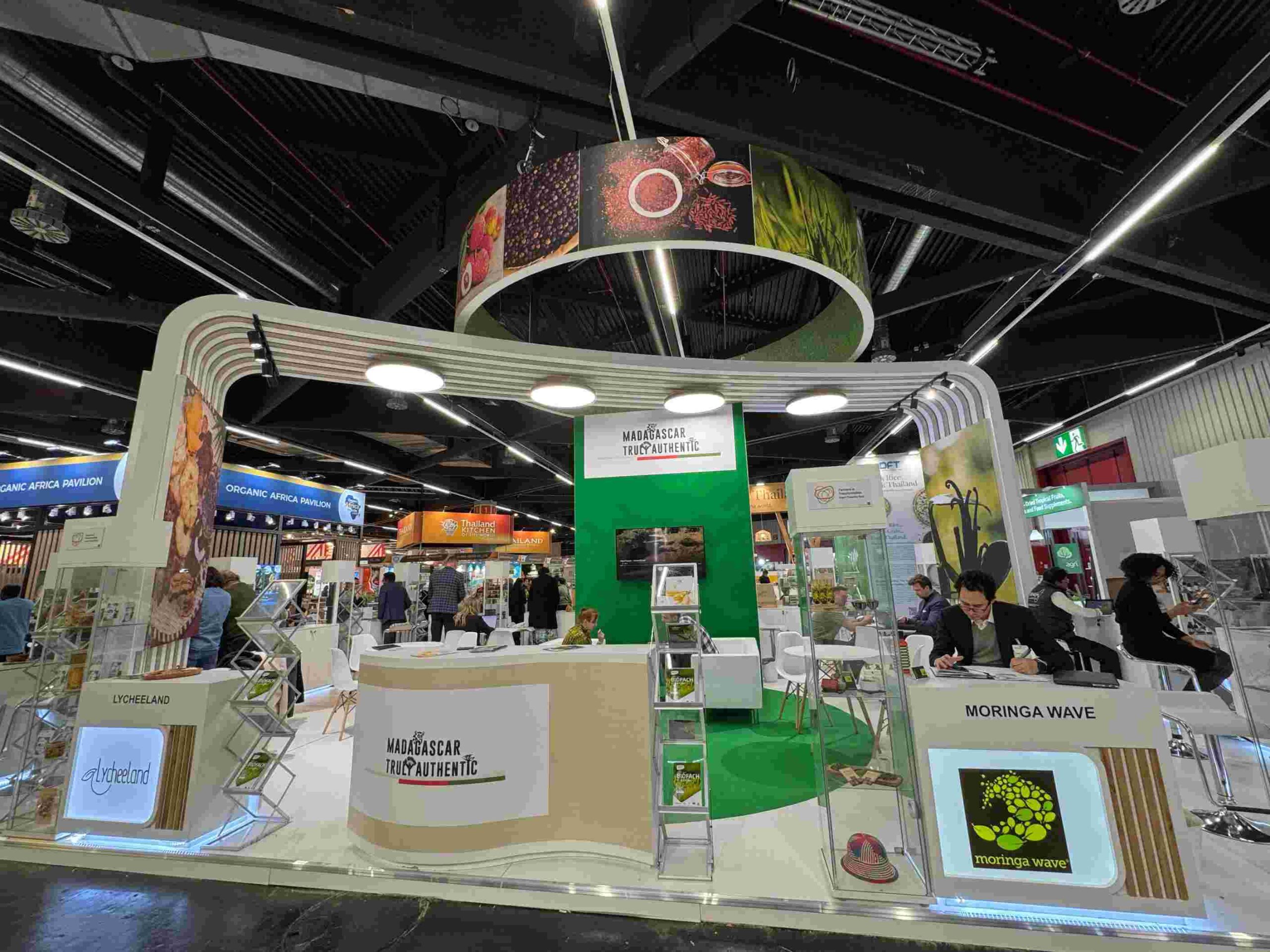
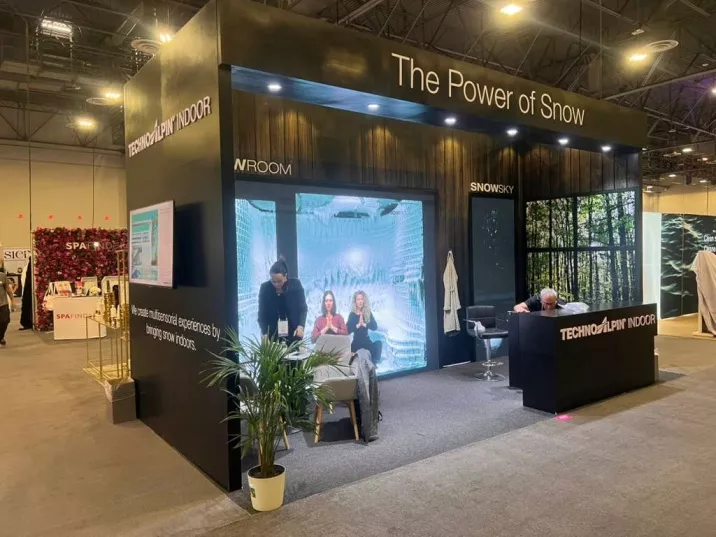
A creative exhibition stand design uses layout, lighting, branding, and messaging to make the space feel welcoming and encourage people to connect instead of just watching.
Design Elements That Encourage Engagement
- Layouts that are open and lower obstacles
- Brand messages that are easy to read from a distance
- Comfortable places to interact
- Lighting that is meant to draw attention to important places
- Branding that stays the same across graphics and displays
Visitors are more inclined to remain longer and feel connected to your brand when they are comfortable and intrigued.
Create Interactive Experiences, Not Static Displays
Interacting with people at your booth is one of the best methods to turn them into brand evangelists. It’s easy to forget about static booths. Interactive booths are easy to remember.
Ideas for Interactive Trade Show Booths That Work
- Demonstrations of products in real time
- Presentations or configurators with touch screens
- Quizzes or challenges that you can do with other people
- Experiences in augmented or virtual reality
- Testing products in person
These interactive trade show booth ideas get people involved instead of just watching. People are more likely to remember your brand and talk about it later if they are actively involved.
Interaction also makes it possible to have meaningful talks, which is where trust starts to grow.

Prepare Your Team to Represent You Well at Trade Shows
Even the most beautiful booth can fail if the staff doesn’t engage well with customers. To be a good trade fair representative, you need more than just knowledge of your products. You also need to be able to talk to people and understand them .
What your booth team should pay attention to
- Asking questions that don’t have a clear answer
- More listening than talking
- Knowing what visitors want
- Not using aggressive sales techniques
- Giving real value in interactions
People who visit remember how they were handled. Visitors feel valued when they talk to kind, knowledgeable, and approachable staff. This makes them more likely to stay involved over time.
A good interaction with a person is frequently what makes a visitor trust your brand.
Use Storytelling to Strengthen Exhibition Branding
People remember tales, not facts and features. Good exhibition branding is more than just logos and colors; it conveys a story that people can relate to.
How to Tell Stories at Your Booth
- Tell people about the narrative behind your brand.
- Show off real success stories from customers
- Tell us what the problem is that your solution fixes.
- Show how your brand fits within the visitor’s path
People are more likely to connect with your tale on an emotional level if they can see themselves in it. Brand advocacy is built on emotional ties.
Get Leads Without Ruining the Experience
To turn those who visit your booth into brand champions, you need to stay in touch after the event. Lead capture should be easy and not feel like a bother.
Smart Lead Capture Methods
- Sign up online instead than on paper
- QR codes enable easy access to material
- Interactive sign-ups connected to booth activities
- Incentives based on value, not just free stuff
Don’t collect data for no reason. Tell visitors how keeping connected helps them, whether it’s through insights, tools, or special updates.
Follow Up with Value, Not Pressure to Buy
A lot of exhibitors don’t do well with follow-up after the event. Generic emails and pushy sales calls might ruin all the good things that happened at the booth.
How to Follow Up After a Trade Show
- Send personalized emails that mention the interaction
- Share useful information or tools
- Send out newsletters, webinars, or demos to people who visit your site.
- Don’t push sales; keep talking instead.
Visitors are more likely to become brand advocates when they feel assisted instead of sold to. Over time, consistent communication that focuses on value creates trust and credibility.

Measure What Matters to Improve Future Exhibitions
It takes time to turn people who frequent your exhibit into brand advocates. Using the correct measurements helps you improve your strategy.
Ways to Build Advocacy
- Average time spent at a booth
- Not simply the number of conversations, but also the quality of them
- Rates of follow-up responses
- Interactions that happen again and again during events
- Referrals that come in following exhibitions
These analytics provide us ideas for how to make the design, messaging, and engagement tactics for future events better.
Why Long-Term Advocacy Is the True ROI of Trade Shows
Exhibitions cost a lot of money, and getting short-term leads isn’t enough to make them worth it. The true benefit comes from making connections that persist after the show.
When people who visit your booth become brand champions, they:
- Tell others in their network about your brand
- Come back to your booth at future events.
- Interact with your material and updates.
- Make your reputation in the market stronger
You can only get this kind of loyalty by planning well, building a strong brand, and getting people involved in a meaningful way.
Conclusion: From Booth Visitors to Brand Advocates
It’s not just one thing that will turn casual booth visitors into loyal brand champions; it’s about making the whole experience great. Every interaction is important, from creative display stand design and interactive engagement to real interactions and planned follow-up.
Exhibitors can turn trade shows into potent long-term marketing tools by collaborating with a skilled trade show booth design business, focusing on strong exhibition branding, and putting people first.
It’s not the brands with the biggest booths that do well; it’s the ones that make the biggest impressions. When people remember your brand, trust what you say, and feel important, they will automatically support you.
Exhibitions are no longer just events; they are the beginning of long-lasting connections with brands.