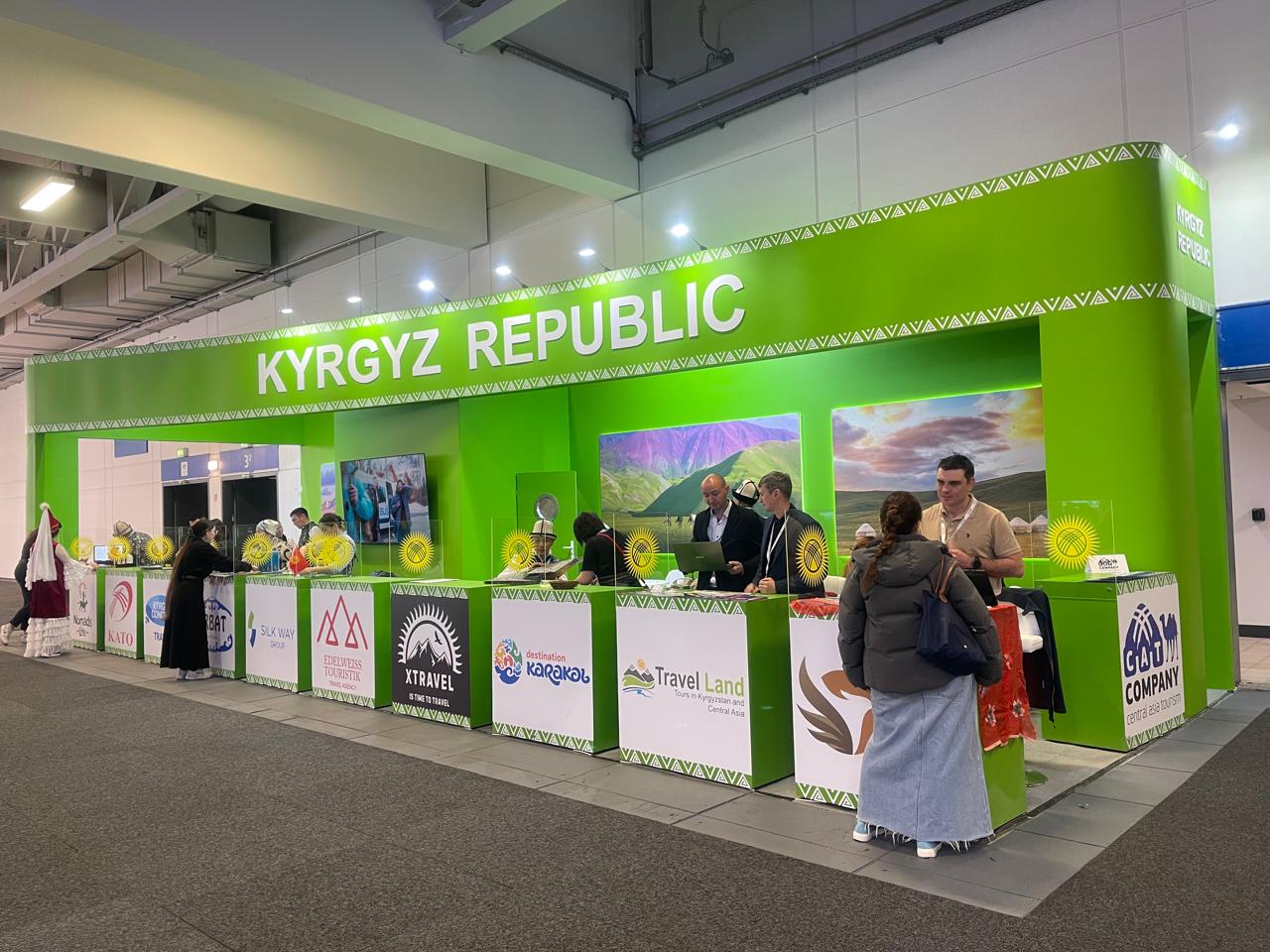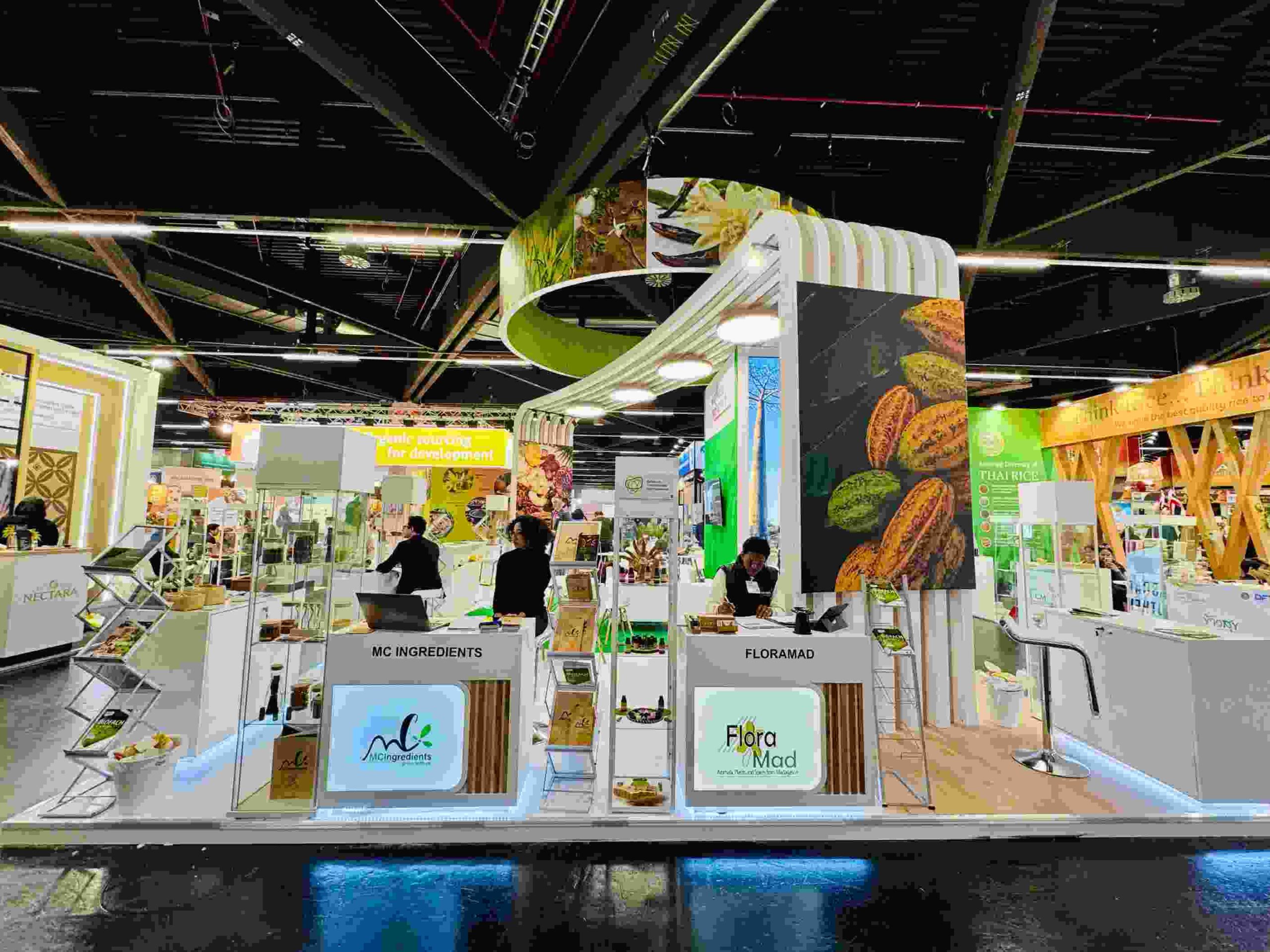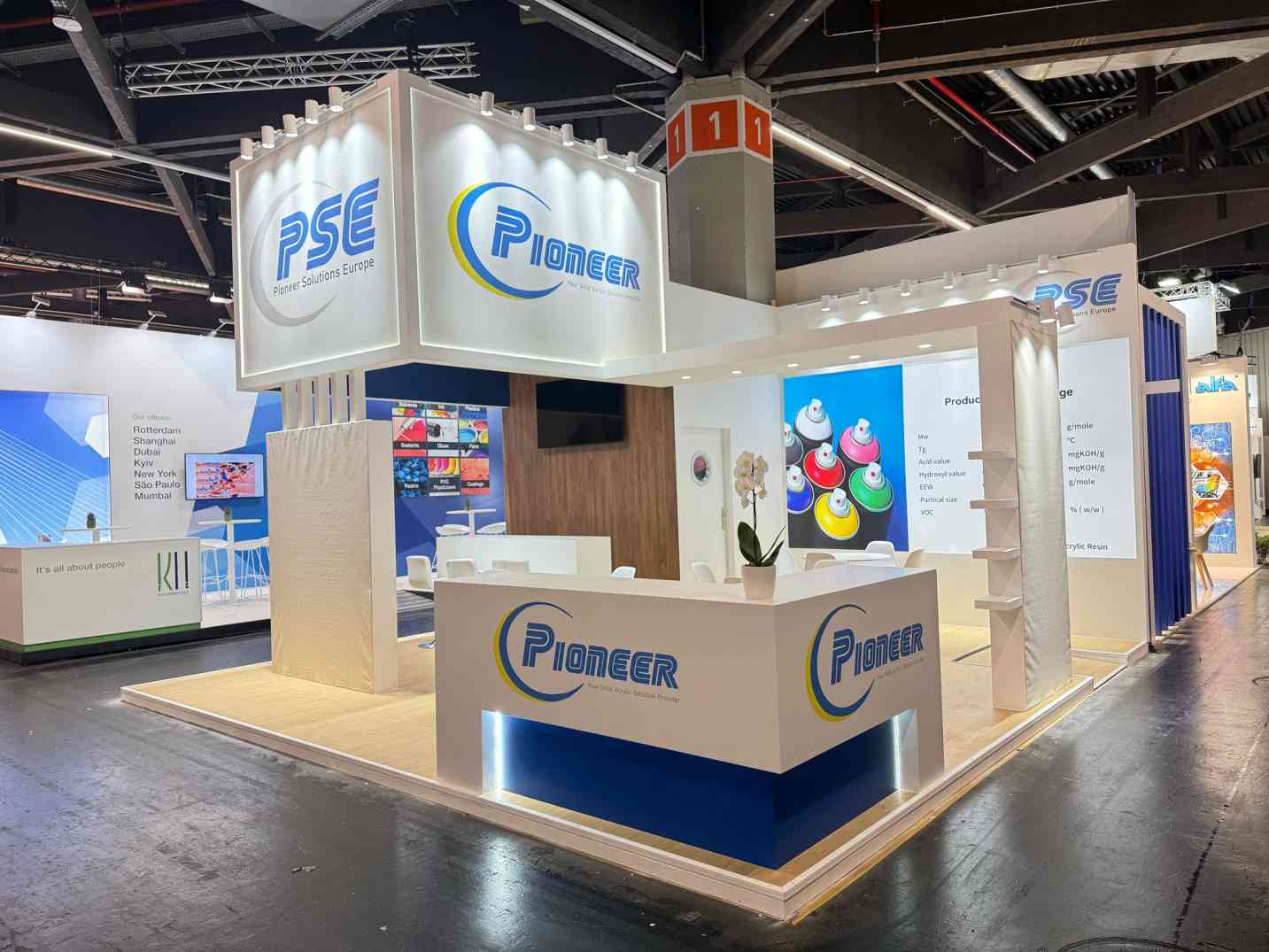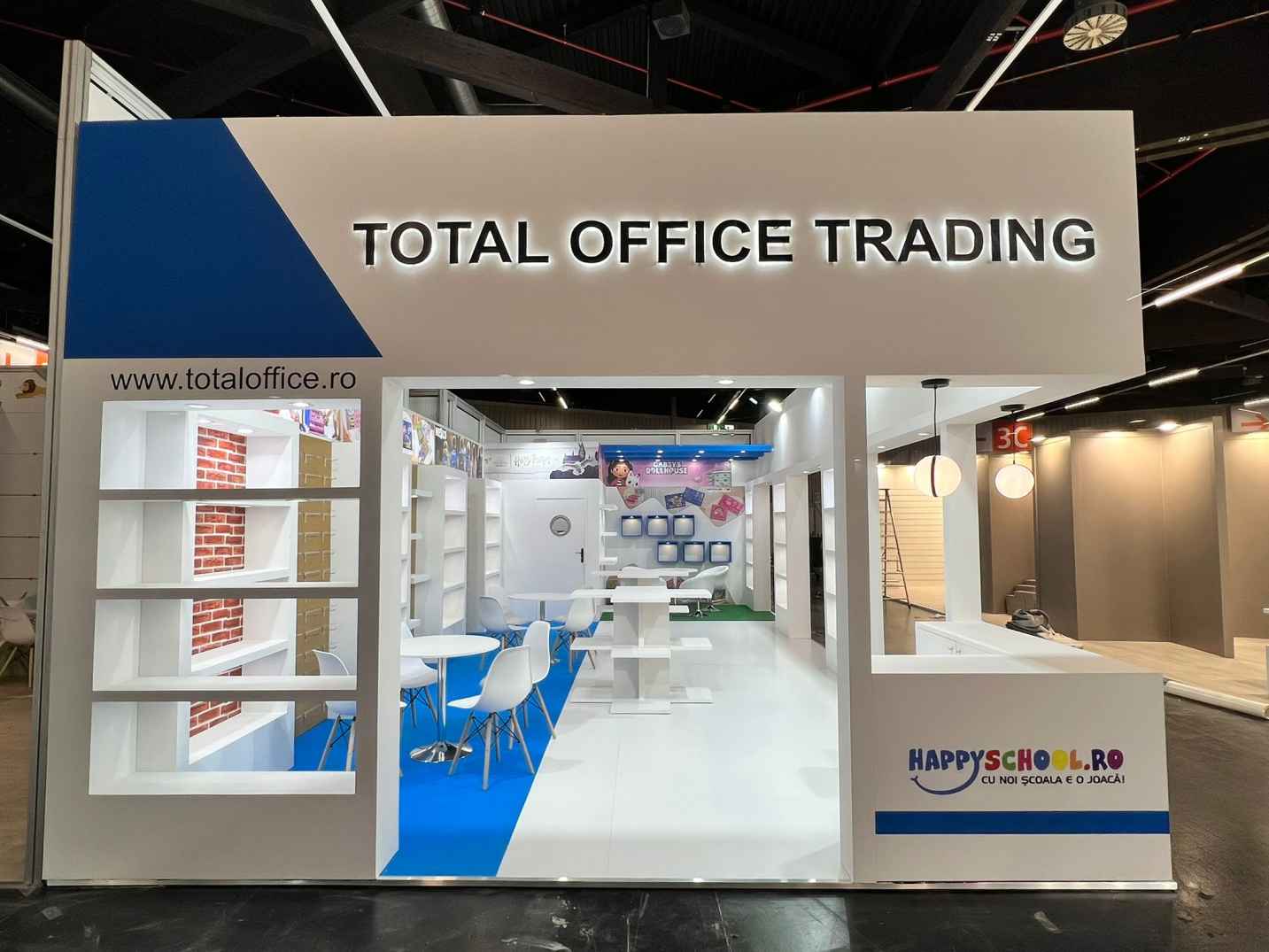

Trade events and exhibitions are great ways to show off your business, get new customers, and make relationships that will remain. The truth is that success at these events doesn’t start when the doors open; it starts weeks or even months before the show occurs. Pre event marketing strategies play a critical role in determining whether your booth is bustling with visitors or struggling to stand out.
It’s no longer enough to just show up with a booth in today’s competitive world. Exhibitors need a well-planned pre event marketing strategies that gets people excited, gets them interested early on, and brings them to the booth once the event starts. Companies like Exhibit Elevate know that the key to a successful trade show is to get as many people as possible to see and interact with your booth. This starts with the appropriate planning.
In this article, we’ll talk about useful and tried-and-true ways to market your booth before the event, as well as trade show recommendations for exhibitors, event marketing checklist, and unique exhibition ideas that will make your company stand out.
Why Pre Event Marketing Strategies Matters
The days before a trade exhibition are just as crucial as the show itself. A lot of people who go to the event organize their visit ahead of time, choosing which booths to check out, which speeches to go to, and who they want to meet. If people don’t know about your brand before the event, you could lose chances to competitors who did a good job of reaching out before the event.
Strong marketing methods before an event give you a number of benefits:
- Get people to know about the event before it starts.
- Get people interested in and curious about your brand.
- Bring qualified leads right to your booth.
- Make your total trade show marketing plan stronger to get a better return on investment.
Step 1: Make a good checklist for marketing the event
Before you start planning your event marketing, make a clear list of everything you need to do. This makes sure that nothing is missed and that your pre event marketing strategies are well-planned. Some important parts might be:
- Set goals, like getting leads, raising business exposure, or launching a product.
- Find groups of people who are your target audience.
- Make booth layouts and exhibition concepts that are interesting.
- Plan what to say in press releases, emails, and social media posts.
- Plan webinars, teaser campaigns, and promotions before the show.
- Work with your team to make sure everything is in order.
A checklist makes getting ready easier and makes sure that every area of your pre event marketing strategies is in accordance with your goals.
Step 2: Use social media to get people involved early.
Using social media to get people talking about your trade show is one of the best ways to market it. You may talk to people who might want to go to your event directly on sites like LinkedIn, Instagram, and Twitter. Share sneak previews of your booth design, new items, or the work that goes into getting ready for the event.
Think about these strategies:
- Make a hashtag for your campaign that is unique to your brand.
- Post countdowns to build excitement.
- Have a live session before the show to address questions.
- Work with people who are well-known in your field or sector.
When used correctly, social media can bring in a lot of traffic and help you get people to come to your event before it even starts.
Step 3: Use email marketing to your advantage
Email is one of the most direct and personal ways to get in touch with potential customers. Create a series of email marketing before the event that draw attention to your booth location, new product launches, or special deals.
To get people more involved:
- Make the subject lines and content more personal.
- Give people free demos, giveaways, or VIP access as incentives.
- Add a clear call to action that tells visitors to put your booth on their schedule.
By building relationships early, you make it more likely that people will want to stop by your booth.
Step 4: Collaborate with Organizers and Industry Partners
Event planners often use mailings, social media, and event apps to promote exhibitors. Take advantage of these chances by sending in press releases, product highlights, or special deals.
You can also work with businesses or partners that offer similar services to promote each other’s booths. This plan not only helps you reach more people, but it also puts your brand in a trusted network, which helps improving trade show effectiveness.

Step 5: Make special offers just for the event
Nothing gets people’s attention like being exclusive. Giving something special to people who promise to come to your booth before the event can make a big difference in how many people are interested. Some examples are:
- Get early access to upcoming product launches.
- A chance to win gift bags or prizes.
- Only at the trade fair will there be special discounts.
- These incentives make your booth a “must-see” place on the show floor.
Step 6: Use content marketing to get people excited
Content marketing should always be a part of a great trade show marketing plan. Publishing useful and relevant content before the event will not only help your SEO, but it will also make your firm seem like a reliable source of information in your field.
Think about writing blog pieces that give exhibitors insider insights on trade shows, checklists for events, or reports on trends in the industry. You can also show people how your booth is being planned and built behind the scenes, which will give them an idea of what to expect. These kinds of posts make people want to know more and keep your business in their minds as they get ready for the event.
Also, connecting your material to specific products, like your bespoke exhibition stands or solutions (like those offered by Exhibit Elevate), helps people find you and encourages them to learn more about your services even before they get to the event.
Step 7: Invest in Paid Advertising
Paid advertising can be a great way for brands to reach as many people as possible. You may run very focused campaigns on sites like LinkedIn, Google, and event-specific websites to reach the exact people you want to reach. You may narrow your targeting based on things like region, job title, or industry to make sure your message gets to the most important decision-makers and influencers.
Display ads, sponsored posts, and retargeting campaigns can keep your brand in front of people while they plan their trip. This kind of exposure makes your booth a “must-see” place to visit, which increases both awareness and foot traffic to your booth. As part of your exhibition marketing strategy, putting money into ads makes sure that your presence goes well beyond the show floor.
Step 8: Get your team ready to get involved
A well-prepared staff is the only thing that can make even the most creative booth design work. Your personnel is very important to making sure that the experience you promised in your pre-event advertisements happens.
Teach your team how to get people to come to your business, talk to them in a meaningful way, and get leads. Role-playing, booth interaction scripts, and practice Q&A’s can help you feel more sure of yourself and make sure that your messages are always the same.
Remember that people don’t just remember the booth; they remember the whole thing. A motivated and well-trained crew may turn people who only stop by into long-term business connections, which makes your trade show investment more worthwhile.
Step 9: Align Booth Design with Pre-Event Messaging
Trust is built on consistency. Your booth design should show the same message that you have been sending out in your pre-event advertisements. If your campaign is all about new ideas, your booth should have modern layouts, interactive product presentations, or digital displays that make people feel like they’re really there.
Exhibit Elevate and other companies like it are experts at making exhibition stands that are both creative and useful. When you make sure that your design matches your marketing message, people will have a smooth experience from the time they view your pre-event ads until they walk into your booth. This consistency makes the brand more trustworthy and makes trade shows more useful.
Step 10: Track and Measure Pre-Event Success
Measurement is the last phase in any trade show marketing plan that works. Keeping track of performance helps you figure out what worked, what didn’t, and how to do things better for the next time.
Keep an eye on measures like:
- The performance of emails, including open rates, click-through rates, and responses.
- Using hashtags, interacting with posts, and sharing are all ways to participate with social media.
- Meetings or booth appointments that were set up before the event.
- Landing pages, forms, and event applications are all examples of lead capture sources.
You may improve your exhibition marketing plan by looking at this data. You will be able to make your campaigns stronger with each event, which will bring in more traffic, better leads, and a higher return on investment.
Conclusion: Elevate Your Presence Before the Event Begins
It’s not simply the booth design or activities at the trade show that matter; it’s the effort you do ahead of time that matters most. You can raise awareness, get prospects interested early, and make sure a constant stream of people comes to your event once it starts with the correct pre event marketing strategies.
Each step you take, from making an event marketing checklist and executing social media campaigns to making special offers and making sure your booth design fits in, helps you succeed. Using these trade show marketing techniques as part of your planning will not only bring more people to your booth, but it will also make the trade show more effective and provide you a better return on investment over time.
If you’re ready to make your concept a reality with a booth that fits your marketing needs, you might want to work with professionals like Exhibit Elevate. Their innovative and strategic approach makes sure your brand gets seen and gets results all over the world.