
Step-by-Step Guide to Planning Your Pharma Exhibition Booth
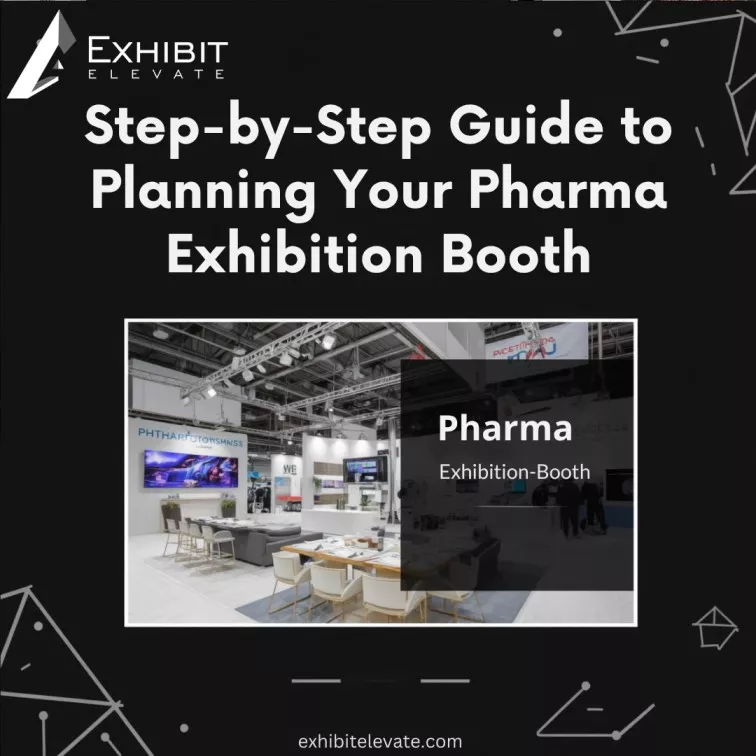
Let’s be honest. Walking into a major pharma trade show for the first time — or even the tenth — can feel overwhelming. Thousands of booths, hundreds of competitors, and a floor full of buyers who have seen every generic stand concept imaginable. The companies that consistently walk away with the best leads are not the ones with the biggest budgets. They are the ones who planned properly. This guide walks you through exactly how to plan a pharma exhibition booth that works — from the moment you confirm your stand space to the moment the show closes. Whether you are preparing for a pharmaceutical event like CPHI Worldwide, Arab Health, or BioEurope, the principles are the same. Before You Begin: Make Sure You Know What You’re Planning Most exhibitors make the mistake of starting to design their booth before they know what they want it to do. A trade show for consumers is not the same as a pharma exhibition. People who come to your site are not impulse buyers. They are C-suite executives, procurement managers, R&D directors, and regulatory specialists who come with a list of suppliers they want to meet that they have already researched. Your booth needs to talk to that person in the first three seconds they see it from the aisle. So, before you talk to a stand designer, you should answer these four questions: 1. What is the one thing that is most important for people to do at your stand? Want to sign up for a demo? Make an appointment? Take a sample? That one action should be the basis for the whole layout of your booth. 2. Who exactly are you trying to get in touch with? At the same pharma trade show, API makers, CDMOs, biotech companies, distributors, and hospital purchasing teams all walk the same floor. However, they all respond to different messages. Before you start designing anything, you need to know who will see it. 3. What is your stand saying that your competitors aren’t saying? When it comes to trade shows, pharmaceutical branding strategies that work are not general; they are specific. “Quality you can trust” is not a message.”First-to-market API synthesis with ISO 15378 certification and 72-hour delivery to European distributors” is a message. Be clear. 4. What will success look like when the show is over? How many qualified leads there are. Number of scheduled meetings. Number of conversations that led to partnerships. Set a number before the show, not after. You can start planning once you can answer all four questions. Step 1: Make sure you have enough space and talk to your stand designer early. The first thing you need to do is check with the show organizer to make sure you have a booth and then send that information to a stand designer as soon as you can. This is why timing is so important in the pharmaceutical industry. There are specific technical requirements for medical exhibition stands at big pharmaceutical events like CPHI Worldwide, Medlab Middle East, and BioEurope that take time to figure out. Before you can build at Fiera Milano, Dubai World Trade Centre, or other world-class venues, you need to send in structural engineering documents, fire safety certificates, and electrical compliance submissions. You have time to design something really good, make changes to it, build it right, and send in all the paperwork if you brief a stand designer eight weeks before the show. If you brief them three weeks before the show, you are paying a premium for a rushed result.What to include in your brief for your stand designer: The size and number of your booth that you have confirmed Your brand rules, like logo files, colors, and fonts Your main message and the one thing you want visitors to do Three to five reference stands that you think look great and why Your budget range—honest budgets lead to better designs Within 48 hours, a good designer for a pharmaceutical exhibition stand will send you a 3D rendering of your stand that looks like a real photo. Before any parts are made, you should be able to see exactly how it will look on the show floor. Step 2: Plan your stand around the journey of your visitors, not your list of products. The most common mistake when setting up an exhibition booth is to design it around the company instead of the visitor. Your visitor has already been to six other booths that morning before coming to your pharmaceutical event. They are a little too much. Their feet hurt. They have 15 minutes before their next meeting. In that case, here’s what your stand needs to do: Stop them from getting to the aisle. There should be one main visual element on your stand that can be seen from at least ten meters away. At a pharmaceutical trade show, this is usually a big graphic with a short, clear message that isn’t your company logo but your value proposition. Your logo is not the most important thing. Your message is the most important thing. Make them interested by being relevant. As soon as they get closer, they need to see something that makes them think, “This is for me.” This job can be done with product category indicators, therapy area callouts, or technology-specific messages that are at eye level. Give them a clear next step. Once they get to your booth, it should be clear what to do: talk to a team member at a demo station, sit down in a meeting area, or pick up a specific piece of collateral. Visitors walk through booths that try to show everything at once without stopping. Give them something to hold on to. Live product demos, data visualizations, interactive screens, and samples that people can touch all make people stay longer. The more time a visitor spends at your pharmaceutical exhibition stand, the more likely they are to become a qualified lead. Step 3: Pick the Right Type of Stand for